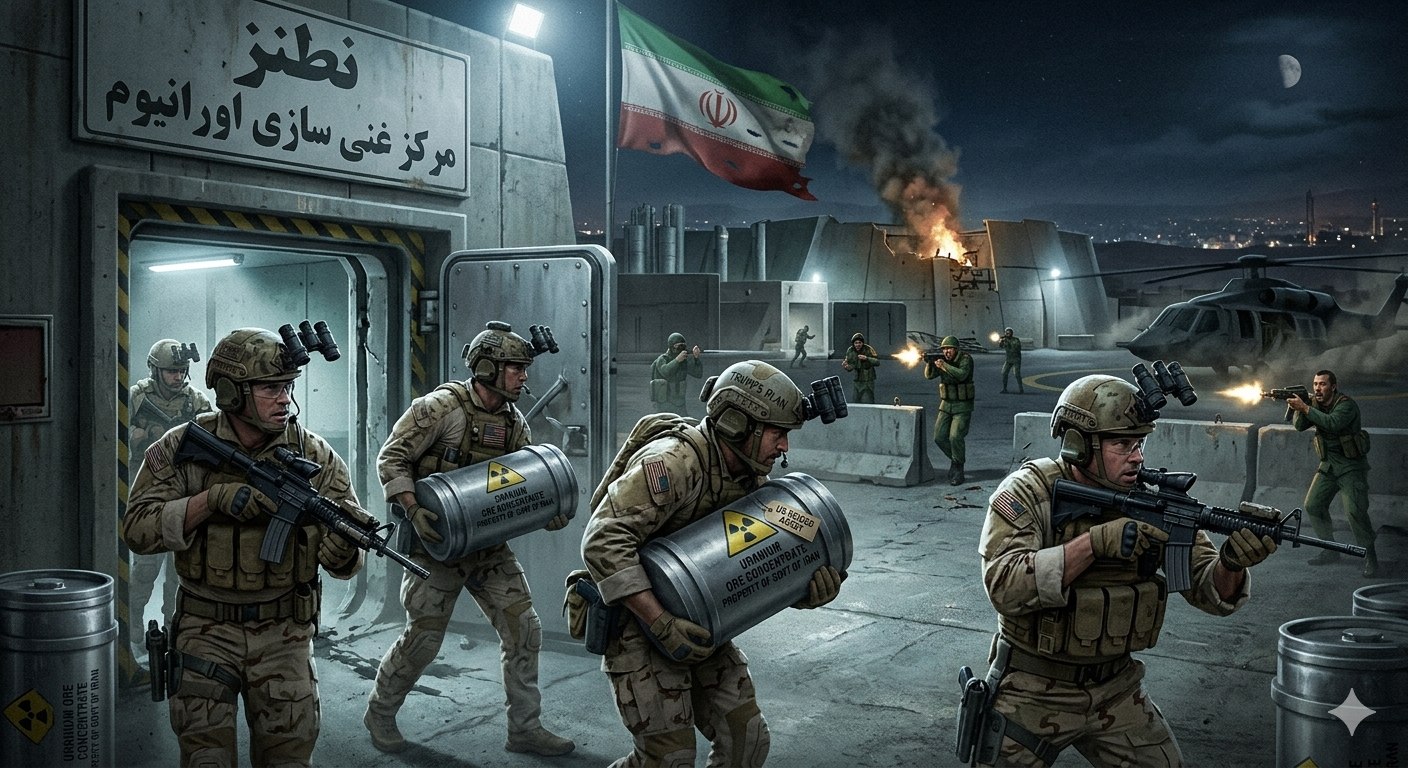
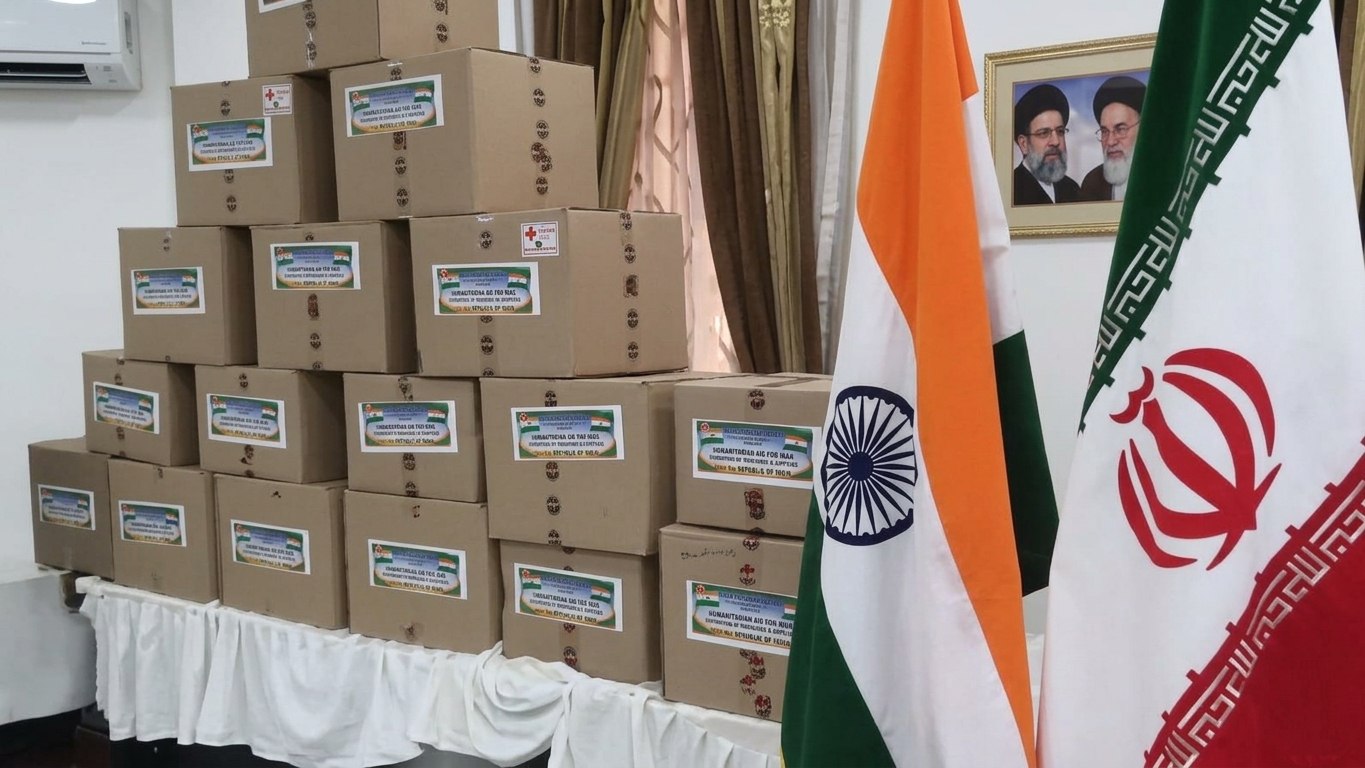
Tehran: After twenty days of sustained US strikes, thousands of Iranian civilians are dead or wounded and medical supplies are running low. India has dispatched the first consignment of humanitarian pharmaceuticals to the Iranian Red Crescent Society; Tehran publicly thanked the “kind people of India” for the assistance.
The Geopolitical Reality
Strait of Hormuz traffic is down to two operational shipping lanes; Iran’s repeated attacks on merchant vessels have driven Brent crude above USD 110/bbl and raised the prospect of a USD 200/bbl spike. Roughly 20 per cent of globally traded API originates in, or is shipped through, the Persian Gulf.
- Crude link: API synthesis is energy-intensive; every USD 10/bbl increase feeds directly into input costs.
- Logistics choke: War-risk premiums have quadrupled on the route, deterring tankers and container lines.
- Inflation channel: Higher API prices transmit quickly to finished-drug prices worldwide.
Washington has not relented on its stated objective of regime change; Tehran has responded with threats to make energy markets “unaffordable”. Neither side has signalled readiness for a cease-fire.
The View from Delhi
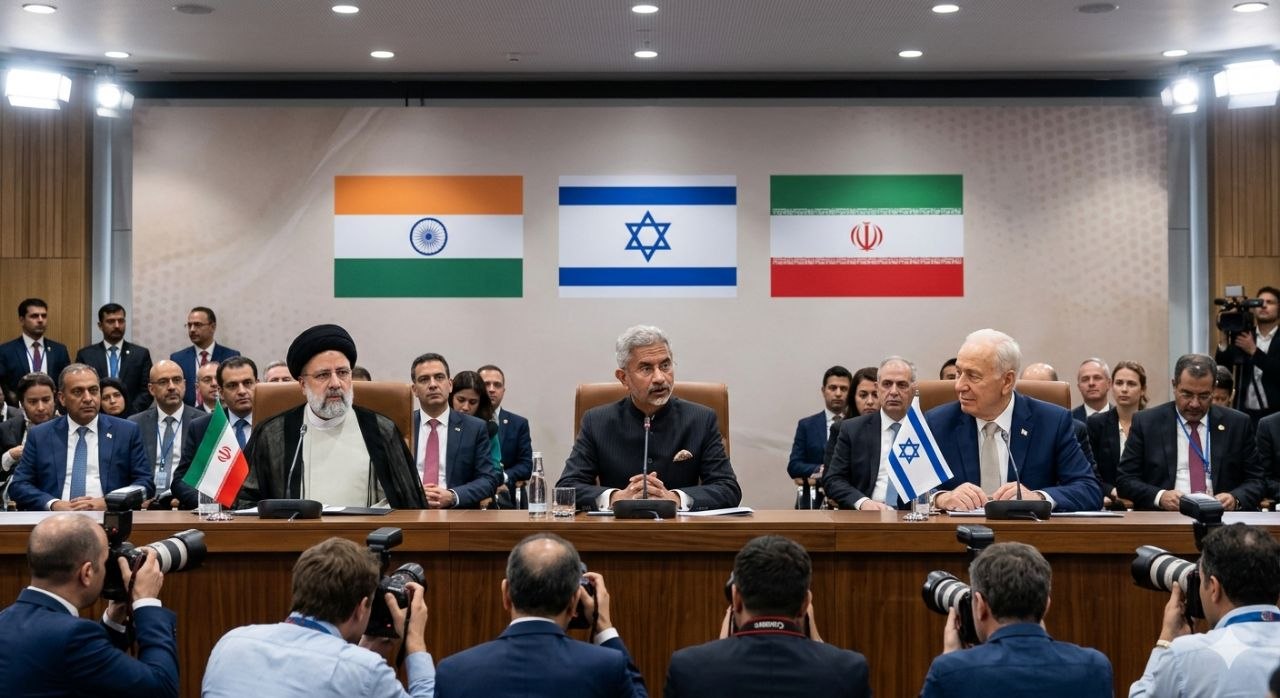
From New Delhi’s perspective, the conflict presents a three-tier problem. First, the humanitarian imperative: India cannot be seen to abandon civilian populations in a country with which it shares civilisational ties. Second, the economic exposure: India imports nearly 70 per cent of its APIs, and any sustained rise in crude erodes the pharmaceutical sector’s margins—directly affecting the affordability of generics in the domestic market. Third, the strategic risk: prolonged Hormuz disruptions invite extra-regional naval deployments that complicate India’s own energy-import security calculus.
“We sincerely thank the kind people of India.”
— Iranian Embassy statement
Strategic Implications
New Delhi will have to balance its role as a responsible humanitarian actor against the hard constraints of supply-chain inflation. API costs are already creeping upward; if crude breaches USD 150/bbl, Indian pharma firms will pass the increase to consumers, eroding India’s soft-power narrative of affordable medicines for the Global South. More broadly, the episode underscores the vulnerability of India’s medical-supply architecture to West-Asian shocks. Diversification of API sourcing and accelerated domestic fermentation capacity are no longer policy luxuries—they are strategic necessities.