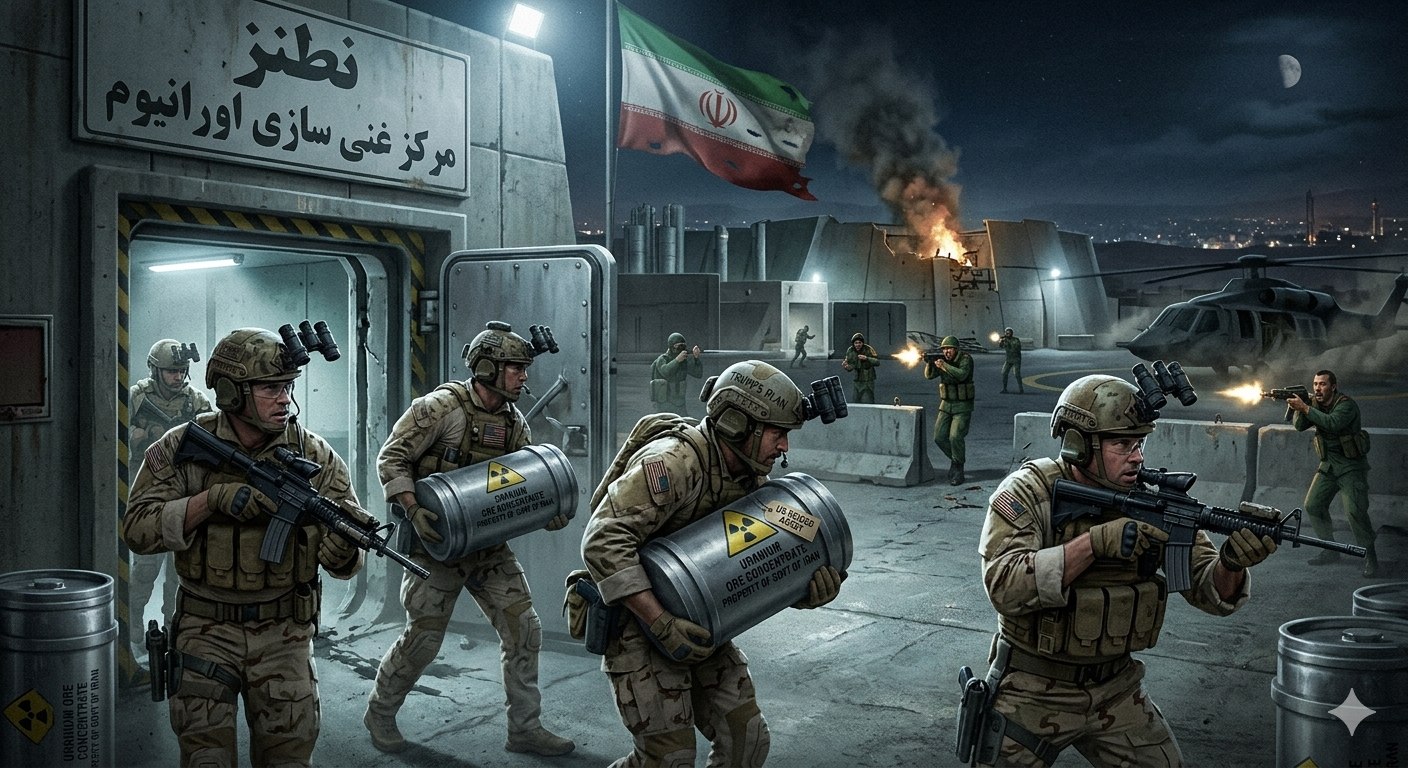
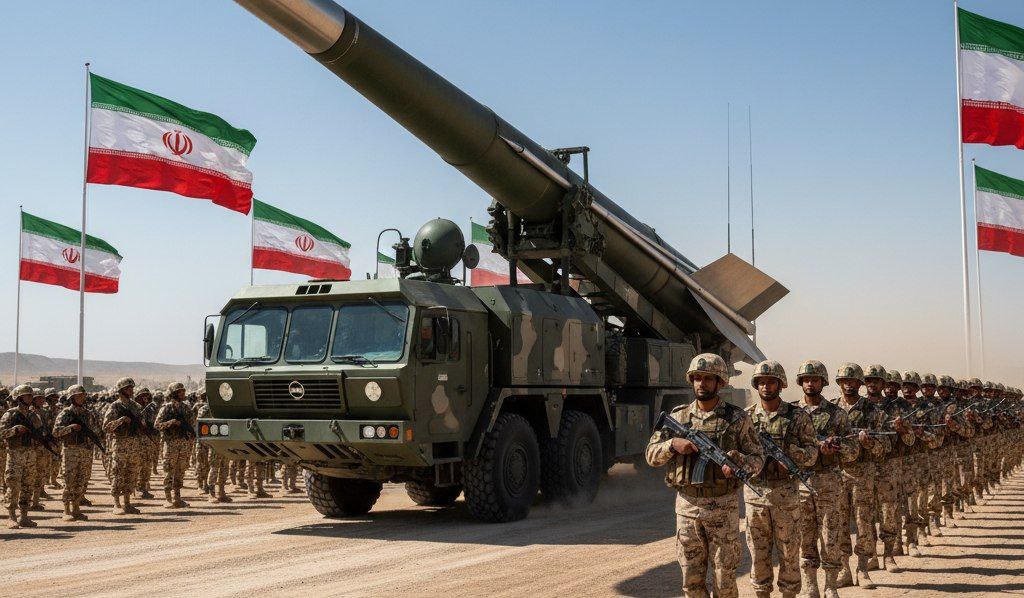
Washington: The Pentagon has massed warships around Iran at a scale unseen since the 2003 Iraq invasion, but the flagship USS Gerald Ford is paralysed by 650 inoperable toilets for its 5,000-sailor crew, multiple outlets including Wall Street Journal and New York Times reported. Maps released show carrier groups, destroyers and missile batteries encircling Iranian coastlines while logistics hubs in Jordan, Saudi Arabia, Qatar and Oman are activated.
The Geopolitical Reality
The deployment re-creates the 2003 “shock and awe” ring—three destroyers off Bahrain, long-range platforms in the Red Sea, two more at the Strait of Hormuz and rear-based carriers in the Indian Ocean—signalling readiness for sustained air–sea operations against Iranian naval and missile assets.
Tehran, for its part, continues to receive weapons from China, raising the prospect of a prolonged proxy-enabled confrontation. White House spokeswomen cite chants of “Death to America” inside Iran’s parliament as evidence of threat perception, though no new UN mandate or Congressional authorisation has been sought.
The View from Delhi
For Indian planners, the episode highlights two constants: US force generation remains logistically brittle even when political signalling is aggressive, and any kinetic action will instantly spike energy risk through the Strait of Hormuz—through which 60% of India’s oil transits.
New Delhi has no direct role in the US–Iran stand-off, yet the operational tempo shows how quickly the Indo-Pacific carrier calendar can be diverted westward, lengthening maintenance cycles and compressing training windows for platforms that Indian naval diplomacy also relies on.
Strategic Implications
A US strike—whether limited decapitation or wider air-sea campaign—would force India to balance energy security, 8-million-strong diaspora safety and Chabahar port investments against pressure to endorse “coalition of the willing” optics.
If Washington escalates without securing basing consensus in Iraq or the GCC, the resulting Hormuz closure could push Brent past $120/barrel, revive current-account stress and complicate RBI’s inflation fight without offering Delhi strategic leverage.
“Carriers that cannot flush erode deterrence faster than any enemy missile.”
— Retired USN Captain, Proceedings Magazine
Conversely, a last-minute Trump reversal—already telegraphed during 2019 and 2022 Iran crises—would validate Delhi’s preference for multilateral restraint but also underline the unreliability of external security providers in the wider Indian Ocean.