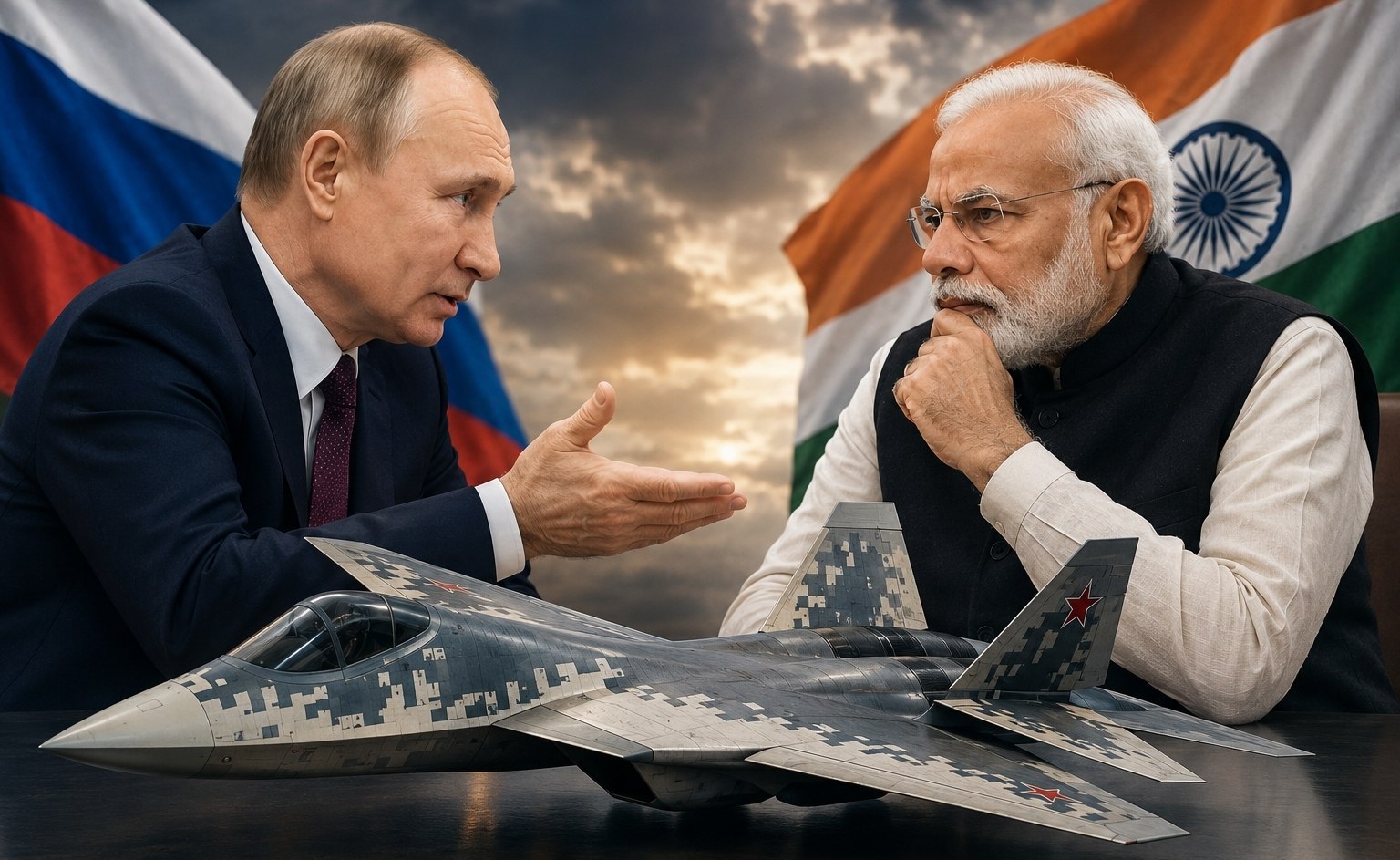
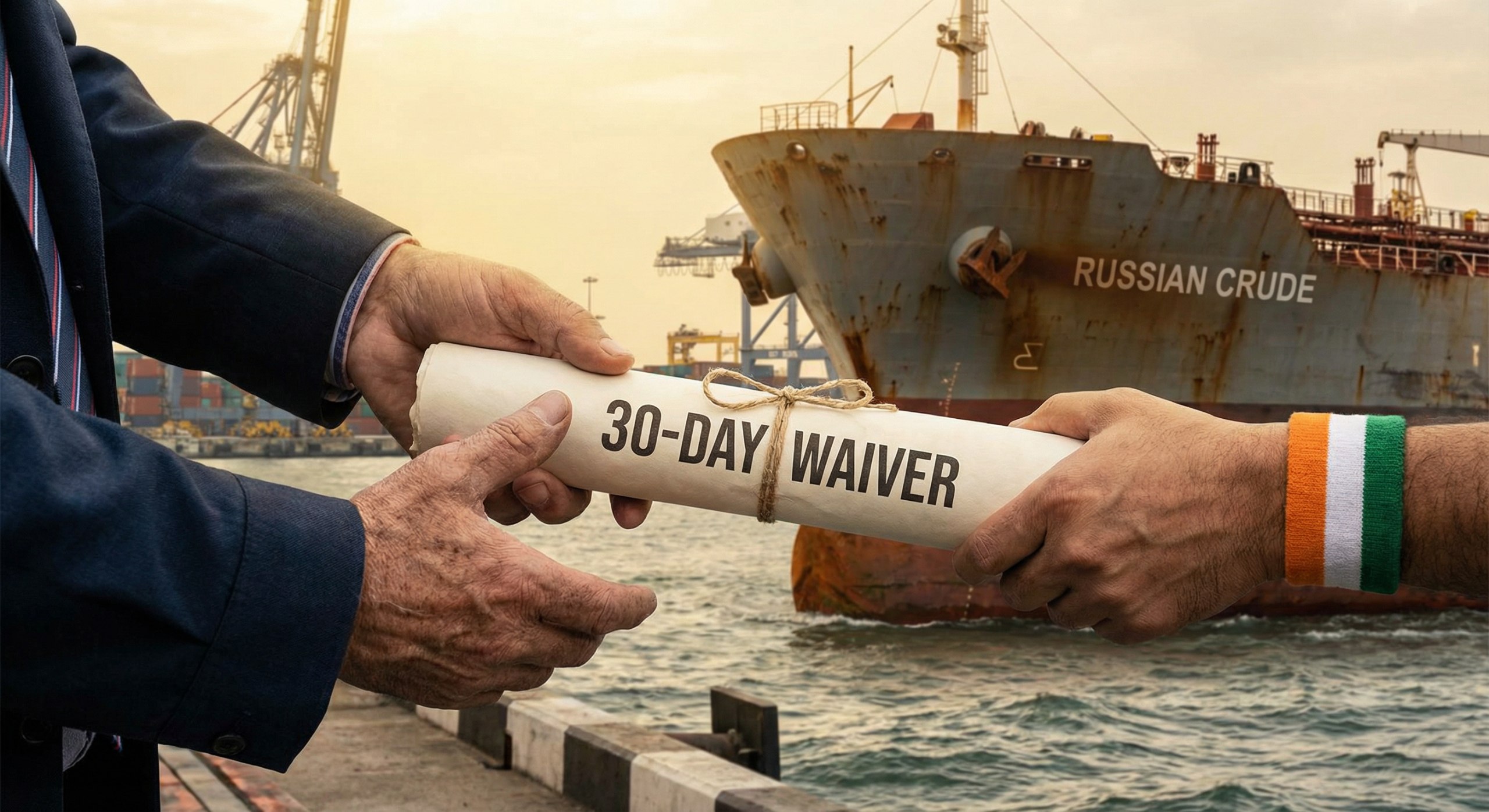
Washington: US Treasury Under-Secretary Scott Bessent announced a 30-day sanctions waiver on 9 April that permits Indian refiners to complete purchases of Russian crude already afloat in the Strait of Hormuz without incurring the 25 % ad-valorem tariff imposed on Russian energy imports.
The Geopolitical Reality
The waiver is confined to cargoes that were "already standard at sea" before the latest escalation between Iran and the United States. It does not authorise new loading contracts and explicitly bars any financial benefit to Russian entities beyond payment for delivered oil.
"This stop-gap measure will alleviate pressure caused by Iran’s attempt to take global energy hostage."
— Scott Bessent, US Treasury Under-Secretary
Washington’s move follows seven days of Iranian strikes on Saudi, Emirati, Qatari and Azerbaijani infrastructure that have disrupted roughly 40 % of India’s seaborne oil imports. With Hormuz effectively choked, Russian barrels that had been idling off Oman are now the most immediate replacement source for Indian refiners.
American diplomats privately anticipate that New Delhi will "ramp up purchases of US oil" once the waiver expires; Indian state-owned processors have not publicly committed to any such switch.
The View from Delhi
New Delhi sees the waiver less as a concession and more as evidence that Washington’s Iran calculus is unravelling. Indian strategists note three immediate consequences:
- Price Discovery: Russian Urals is trading at a widening discount to Brent; every week Hormuz remains unsafe deepens the discount.
- Logistical Arbitrage: Indian coastal refineries configured for heavy crude can absorb the stranded cargoes without additional capex, giving India a cost advantage over east-Asian competitors.
- Sanctions Fatigue: A 30-day window that may be serially extended erodes the credibility of the US tariff threat and signals that Washington is managing optics rather than enforcing red lines.
From Delhi’s perspective, the waiver therefore solves a short-term insurance problem while reinforcing India’s long-term stance: external powers cannot dictate procurement sources when global chokepoints are contested.
Strategic Implications
If the US-Iran confrontation drags into months, Washington will face a binary choice: either keep extending the waiver and watch Russian revenues stabilise, or tighten enforcement and risk Indian—along with European—refiners accelerating non-dollar payment mechanisms.
India’s state processors have never stopped lifting Russian crude; private players such as Reliance curtailed volumes only when tariff exposure exceeded insurance cover. A prolonged Hormuz closure would push India to formalise rupee-settled trades and re-export refined products to Europe, effectively turning Indian refiners into a back-door energy conduit for both Russia and the EU.
The episode also exposes the limits of extraterritorial sanctions. Once a major importer demonstrates it can absorb sanctioned barrels without incurring penalties, the deterrent value of future US sanctions diminishes—for Iran, for Russia, and for any supplier Washington may blacklist next.