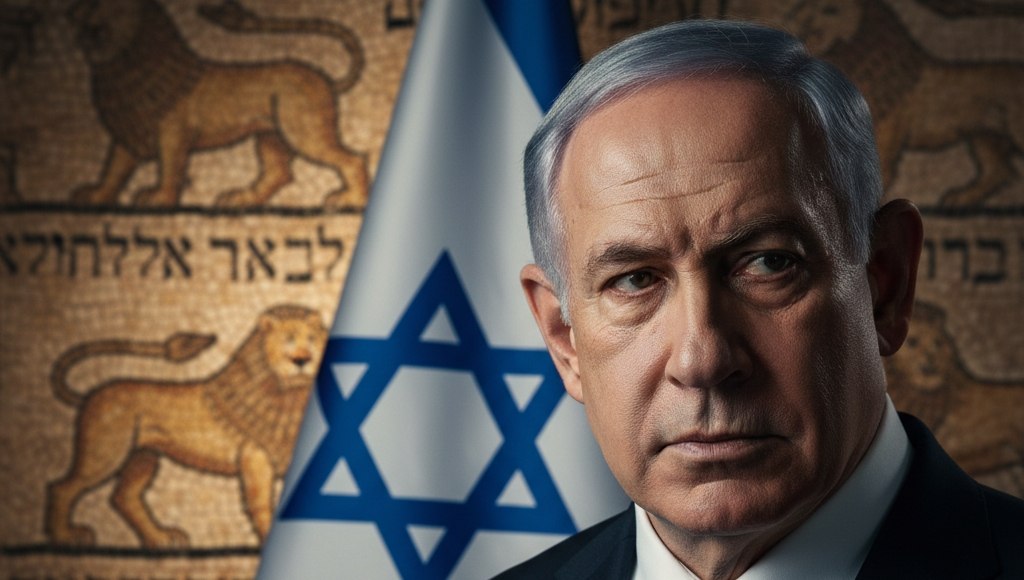
Washington: Mike Huckabee, U.S. Ambassador to Israel and long-time confidant of Donald Trump, told an interviewer that Israeli sovereignty over the entire Middle-East land corridor described in Genesis “would be fine” and is consistent with the purpose for which Israel was created.
The Geopolitical Reality
Huckabee’s statement—“It would be fine if they took it all”—explicitly covers territory from the Nile to the Euphrates, an area that today comprises Egypt’s Sinai, Jordan, Iraq, Syria, Lebanon, Saudi Arabia’s north-west and large parts of Turkey.
“It would be fine if they took it all… You are appealing to the original deed in Genesis.”
— Amb. Mike Huckabee, U.S. Envoy to Israel
Arab capitals interpret the remark not as a theological aside but as the clearest policy window yet into Washington’s posture under a second Trump term: active support for Israeli territorial expansion, including formal annexation of the West Bank, where Israel has already resumed land-registration procedures that would place roughly 60 % of the territory under Israeli civil law.
- West Bank: 60 % of the territory now facing accelerated legal absorption.
- Gaza: Effective Israeli military control; residual Palestinian administration shrinking.
- Diplomatic cover: U.S. veto at the UN shields Israel from enforcement action.
Regional states that already coordinate with Israel—Saudi Arabia, UAE, Bahrain—publicly condemned the comments, fearing domestic backlash. Pakistan, dependent on U.S. financial support, issued a rare censure, signalling the sensitivity of the “Greater Israel” narrative in Sunni South Asia.
The View from Delhi
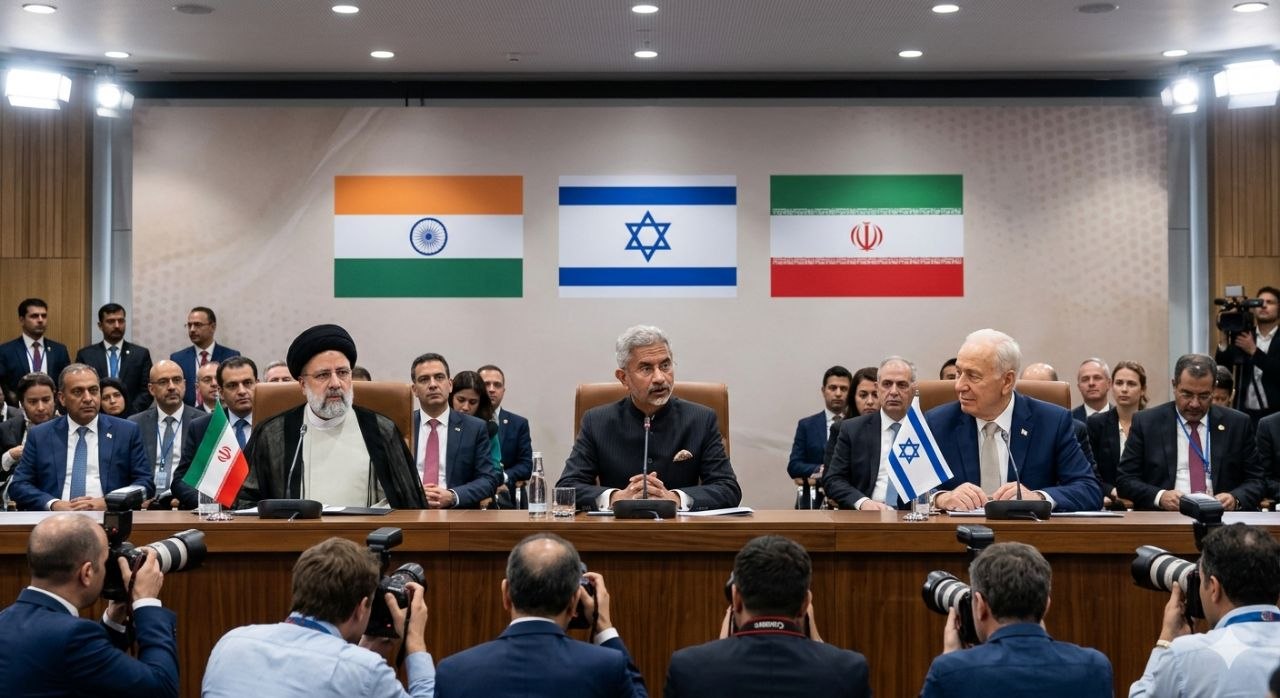
New Delhi has no territorial stake between the Nile and the Euphrates, but the episode sharpens a structural dilemma: its deepening security partnership with Israel now collides with its historical opposition to expansionism and its energy, diaspora and counter-terror equities in the Arab world.
India’s material interests are growing: Israel is negotiating supply of SkyStinger beyond-visual-range air-to-air missiles during the Prime Minister’s expected visit, and Israeli firms co-produce drones, radars and precision-guidance kits inside India. Yet Delhi balances this with:
- Energy: 60 % of India’s crude transits through the Arabian side of the Strait of Hormuz.
- Labour: Eight million Indian workers in GCC states remit USD 55 billion annually.
- Iranian port: Operational control of Chabahar depends on not triggering U.S.–Israeli action against Tehran.
Therefore Delhi’s diplomatic script—condemn expansion, keep buying weapons—becomes harder to sustain if Washington shifts from rhetorical tolerance to active facilitation of annexation. A public Israeli move on the West Bank would force India to vote against Israel at the UN, complicating defence logistics and joint project clearances.
Strategic Implications
If the U.S. institutionalises support for maximalist Israeli borders, three vectors confront Indian policy:
1. Arab hedging: Gulf states may slow–roll the India-Middle-East–Europe Economic Corridor (IMEC) if its Israeli nodes are seen as springboards for territorial absorption rather than trade.
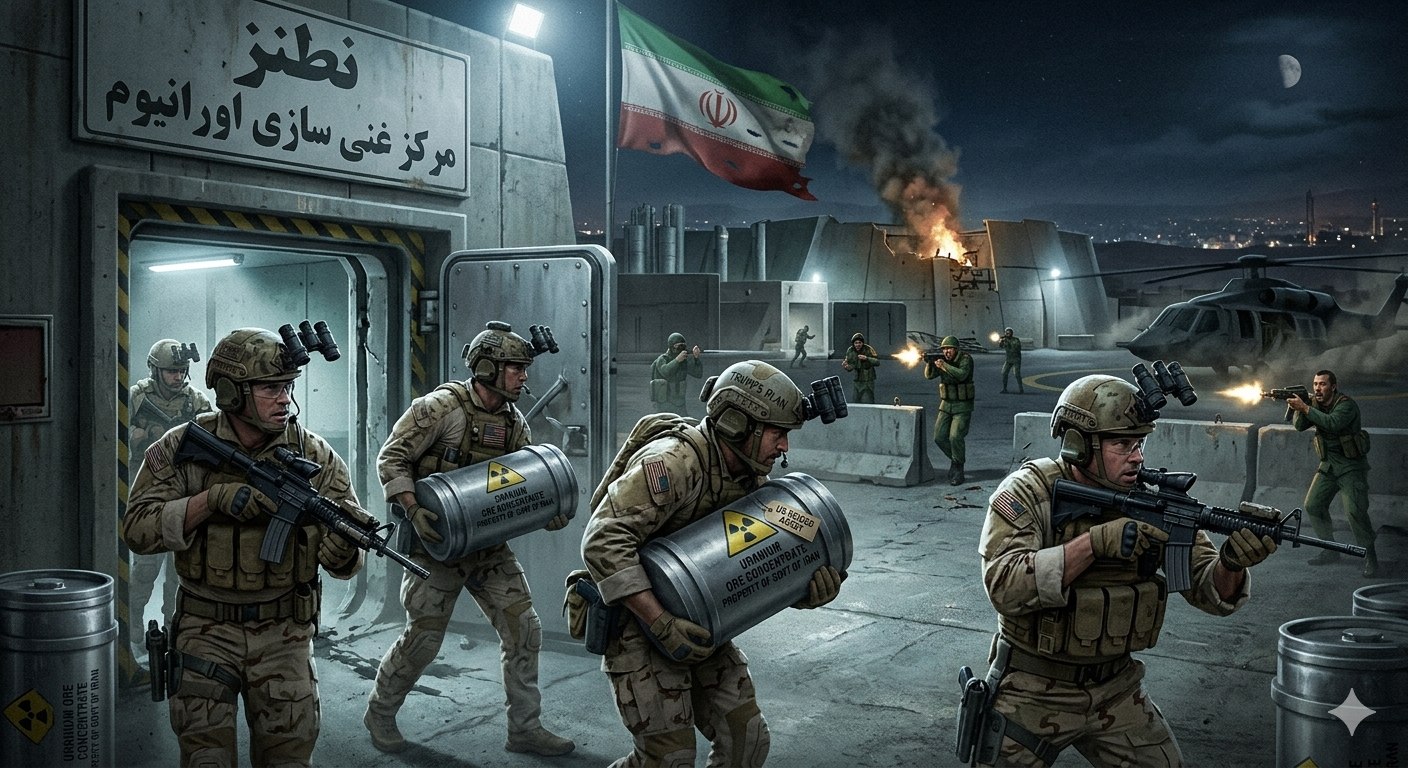
2. Iran calculus: An Israeli strike on Iranian nuclear facilities—now openly discussed for March—risks closing the Hormuz chokepoint; India has no strategic oil reserve large enough for a six-month disruption.
3. Domestic optics: India’s own 1971 record—military victory followed by immediate withdrawal—underpins its anti-expansion brand. Consistency demands public criticism of West-Bank annexation, inviting retaliatory Israeli scrutiny of dual-use technology transfers.
The bottom line: Greater Israel is moving from fringe theology to executable policy. For Delhi, the question is no longer whether Israel expands, but how far it can go before India’s multi-vector Middle-East posture collapses into a binary choice between Arab energy/security interests and Israeli military-technology supply lines.