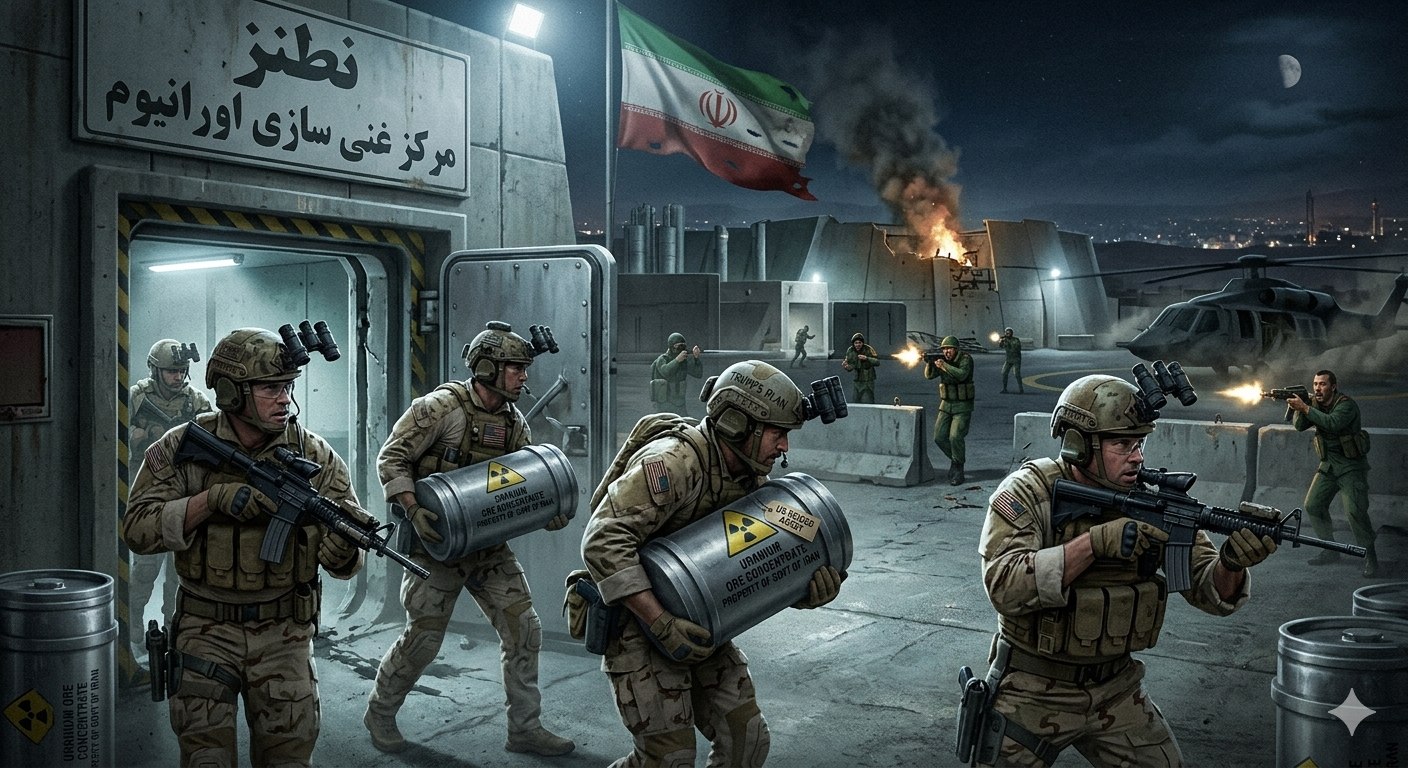
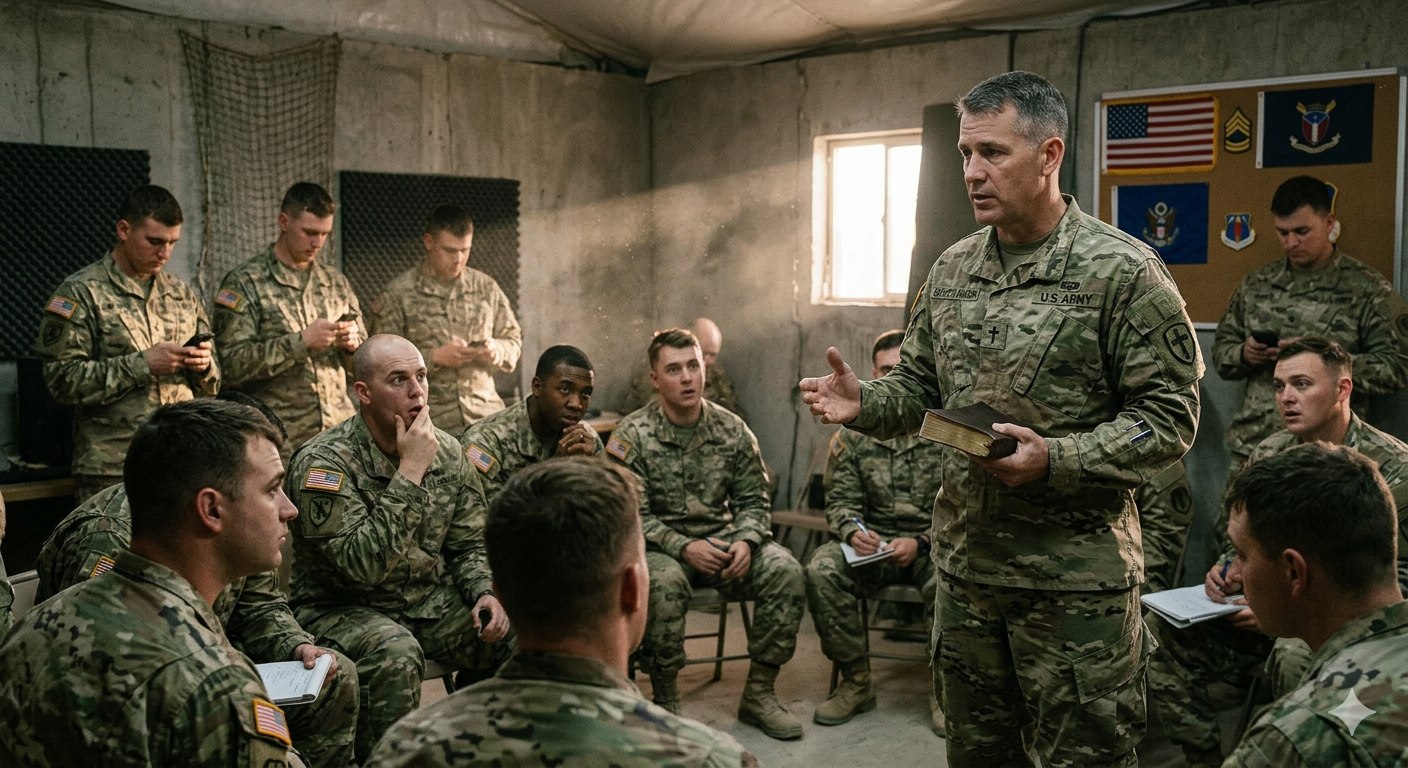
Washington: Multiple media reports say US field commanders are describing the ongoing Iran campaign to their soldiers as a “religious war” in which Donald Trump was “appointed by Jesus” to trigger Armageddon and speed the return of Christ after victory. The same outlets note that only a select group of legislators has received closed-door Pentagon briefings; those senators publicly concede the situation is “much worse than expected” and that no defined exit plan exists.
The Geopolitical Reality
The Trump administration launched large-scale air and naval operations against Iran in early 2026 without an initial attack on US soil. Eight weeks in, the strategic objective—regime change, rollback of the nuclear programme, or demonstration of US military dominance—remains unstated.
- $5 billion already spent; public tracker puts burn-rate at $2,500 per second.
- Hormuz chokepoint effectively closed; oil refineries in Saudi Arabia and the UAE hit by repeated drone waves.
- Supreme Leader’s death has not curtailed Iranian retaliation; missiles continue to be fired from both western Iran and proxy launch sites in Iraq, Syria and Yemen.
Congress is not in formal session for war-authorisation debate; instead, the Pentagon is briefing small bipartisan groups under classification rules that bar disclosure of casualty figures or force deployment details.
“We truthfully lack capacity and are dragging the United States into another endless Middle-East war.”
— Unnamed US Senator after closed briefing
Russia has publicly predicted the coming Middle-East fighting will eclipse Ukraine in global attention; Moscow’s message to regional partners is that US resources will be further stretched.
The View from Delhi
New Delhi has no treaty obligation in the US–Iran contest, but three Indian equities are immediately engaged: energy flows, seven-million-strong diaspora in the Gulf, and the Chabahar port that serves as a trade hinge to Afghanistan and Central Asia.
With Hormuz shut, Brent has crossed $115/barrel; India imports 85 % of its crude, most of it from the Persian Gulf. A protracted war keeps prices elevated and widens Delhi’s current-account deficit.
Second-order risk lies in Pakistani leverage. If the US taps Islamabad for over-flight and logistics, Washington’s willingness to press Rawalpindi on terror finance could diminish—complicating India’s security dossier.
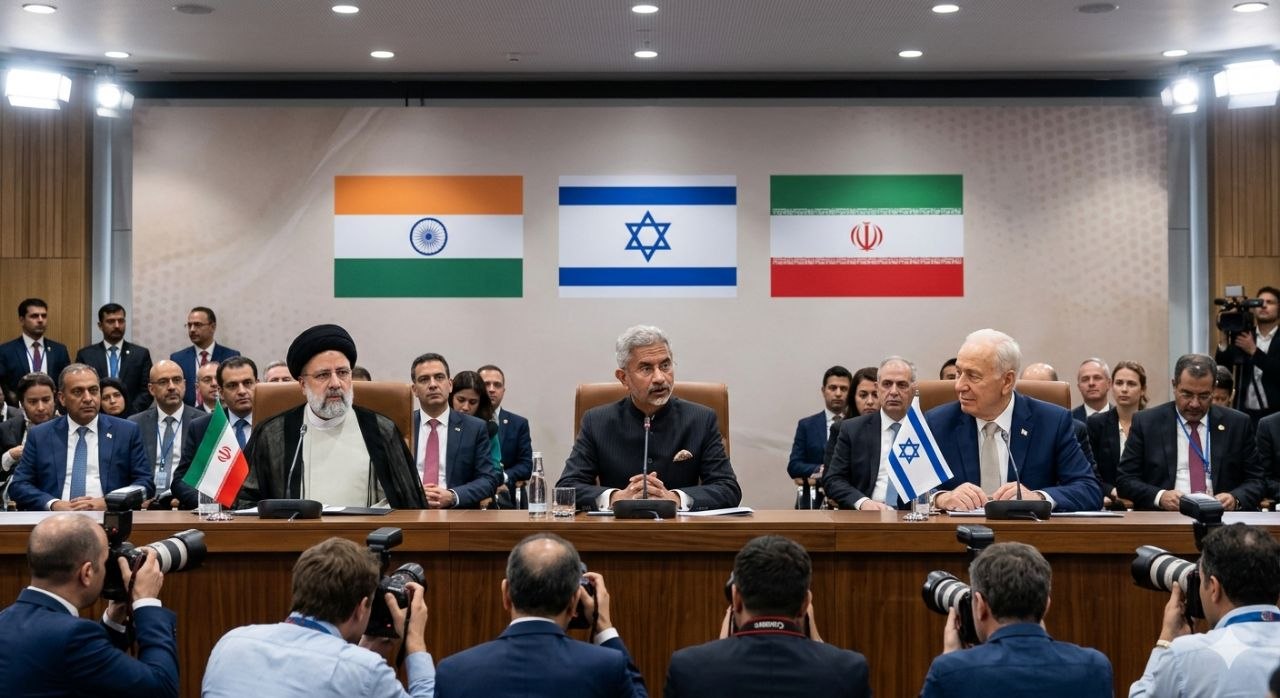
Finally, Delhi’s multi-alignment posture becomes harder to sustain if Washington demands explicit support inside the Gulf while Tehran simultaneously asks for discreet diplomatic cover at the UN. India has historically balanced: buying Iranian oil when sanctions are lax, and investing in Chabahar when they are tight. A binary choice—forced by escalation—would expose Delhi to secondary sanctions or loss of Iranian overland access, neither outcome favourable.
Strategic Implications
An open-ended US campaign without Congressional authorisation increases the probability of:
- Escalation ladder climbing: introduction of US ground brigades, triggering Iranian missile release on GCC cities where Indian workers reside.
- Sanctions over-reach: Washington could extend “secondary” penalties to Asian buyers, raising compliance costs for Indian refiners.
- China gains: Beijing is already negotiating cut-rate Iranian crude; sustained US engagement frees Chinese assets to harden positions in the Indo-Pacific.
New Delhi’s room to manoeuvre narrows if the war is framed—inside the US political debate—as a quasi-crusade, because any Indian call for diplomatic restraint risks being painted as anti-Western. Conversely, overt endorsement of the US operation would forfeit India’s civilisational-state brand of strategic autonomy and jeopardise its Iran-built infrastructure corridor.
Bottom line: India cannot determine the war’s course, yet its economic stability and regional credibility now hinge on how skilfully it manages the fallout in the Strait of Hormuz, the UN Security Council, and the global energy market.