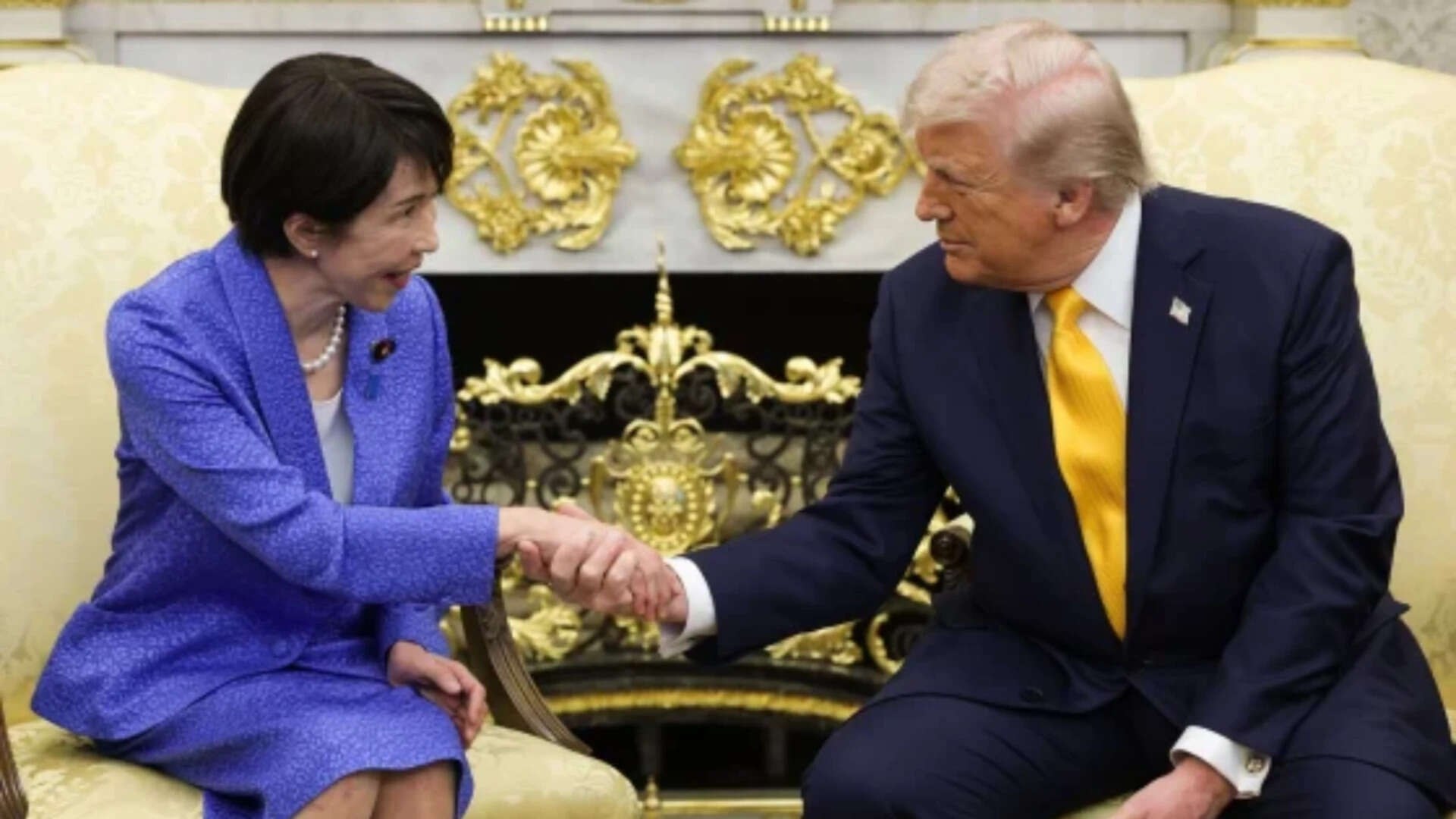
Washington: During a White House press spray with Japanese Prime Minister Shigeru Ishiba, Donald Trump answered a question about why the United States did not alert Japan before its recent attack on Iran by joking that Japan had not tipped him off before Pearl Harbor. The remark drew awkward silence from the Japanese delegation and revived global coverage of alliance consultation norms.
The Geopolitical Reality
Surprise as strategy has long shaped US military doctrine, but allies increasingly expect advance notice when their energy security is at stake. Japan imports nearly all of its crude, and roughly 20 percent usually transits the Strait of Hormuz; any hint of closure triggers inventory decisions worth billions of dollars.
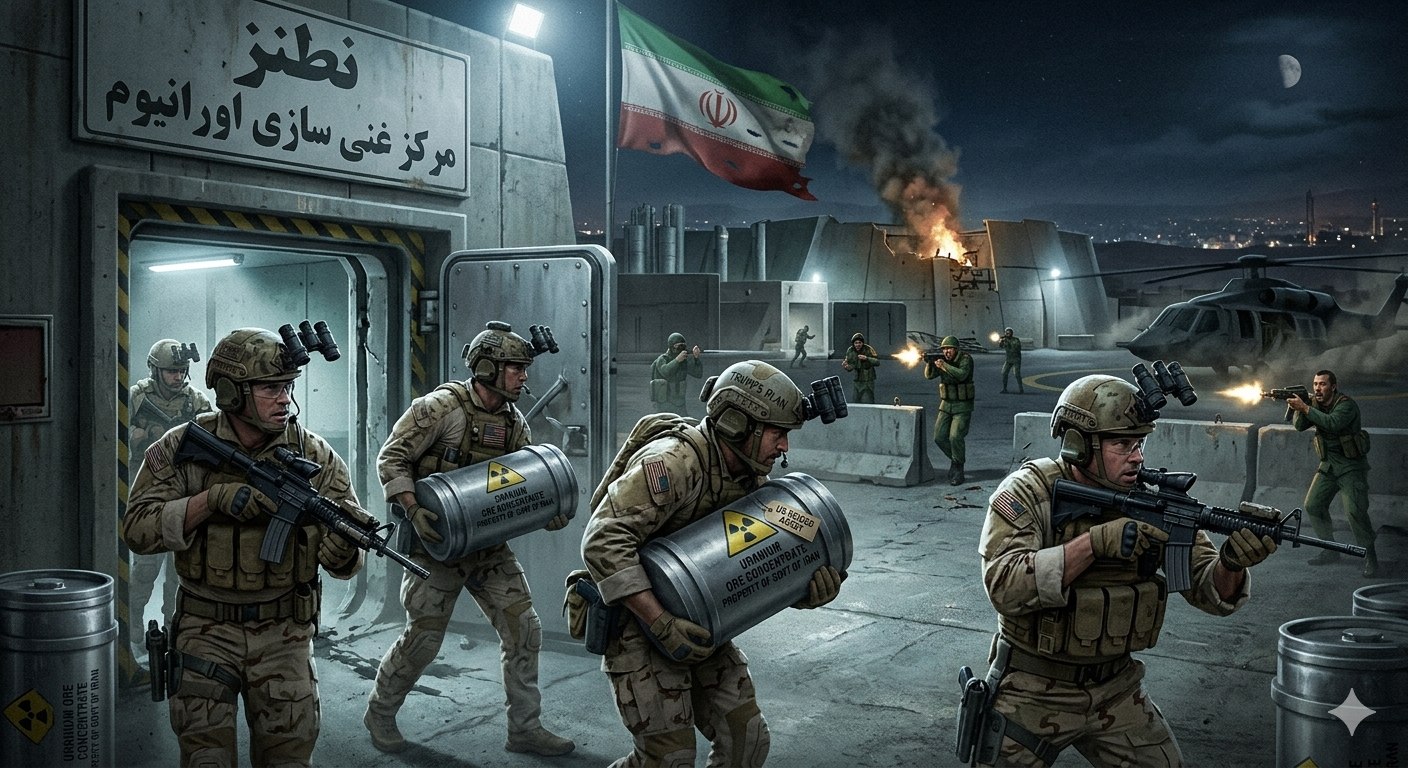
Iran’s leverage rests on that chokepoint. After the US–Israel strike on Iranian nuclear sites, Brent futures jumped 15 percent in two sessions. Tokyo’s request for prior consultation therefore mixed protocol with hard economic calculation.
"Surprise? You people practically wrote the book on it."
— Donald Trump, 45th President of the United States
Alliance asymmetry compounds the friction. The 1960 US–Japan security treaty treats an attack on Japanese territory as an attack on the United States, yet Tokyo has no comparable veto over American operations in the Gulf.
The View from Delhi
India imports 80 percent of its crude; roughly 55 percent of those volumes flow through Hormuz. A supply shock therefore transmits faster to Indian refiners than to most OECD stockpiles.
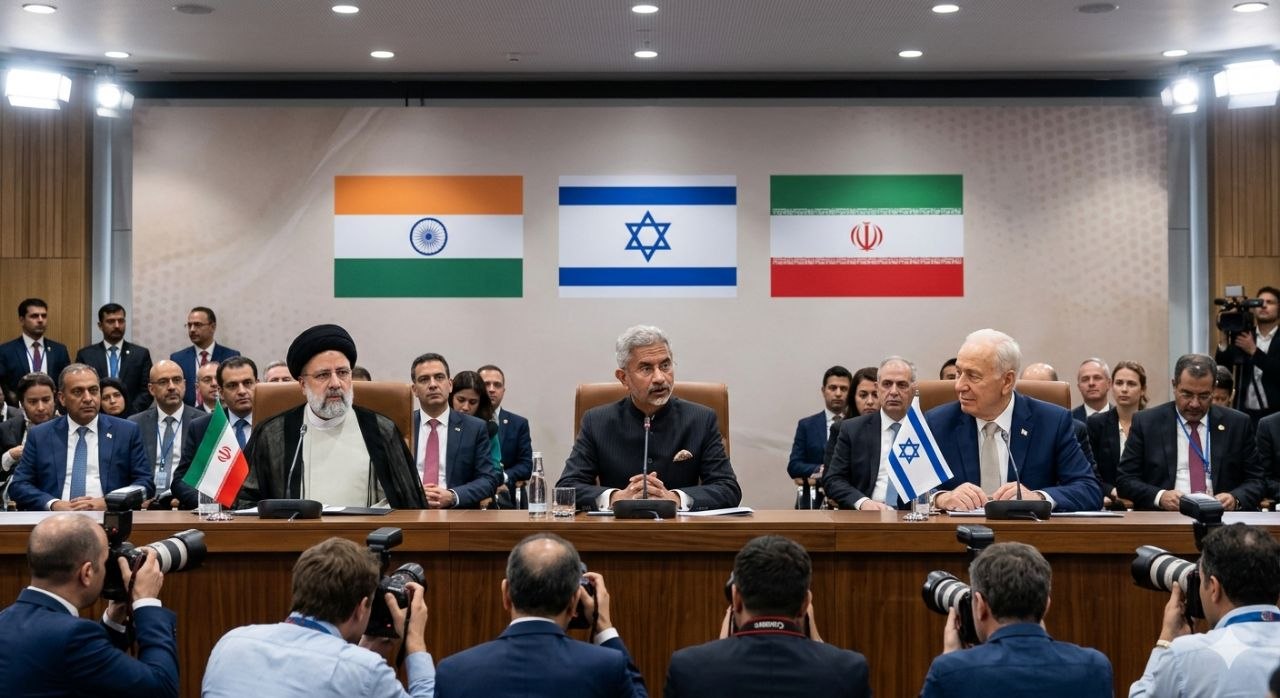
Strategic autonomy means New Delhi rarely expects advance US notice, but it does watch Tokyo’s experience for clues on whether Washington is moving toward a more discretionary, less consultative, model of alliance management. If Japan cannot secure prior consultation, Indian planners assume India would receive even less consideration.
Russia’s market exit already funnels more Middle East crude toward India; any prolonged Hormuz disruption tightens competition for the same grades and keeps Indian import bills elevated even if global demand softens.
Strategic Implications
- Energy-intensive economies such as India, Japan, and the EU may accelerate coordinated naval deployments near Hormuz, raising the probability of a direct Iran–coalition maritime clash.
- Asian central banks could face a stagflationary mix: weaker currencies against a resilient dollar plus higher oil bills, complicating the Reserve Bank of India’s inflation-targeting calculus.
- Washington’s signalling that surprise is preferable to consultation increases the incentive for regional states to maintain strategic petroleum reserves above IEA norms, a capital-intensive shift India has already begun.
The episode underlines that alliance politics in the Gulf is shifting from formal consultation to ad-hoc coalitions of the affected. For India, the takeaway is not moral but operational: expect less warning, price in longer volatility, and keep diplomatic channels with both Tehran and Washington active without assuming either will privilege Indian interests.