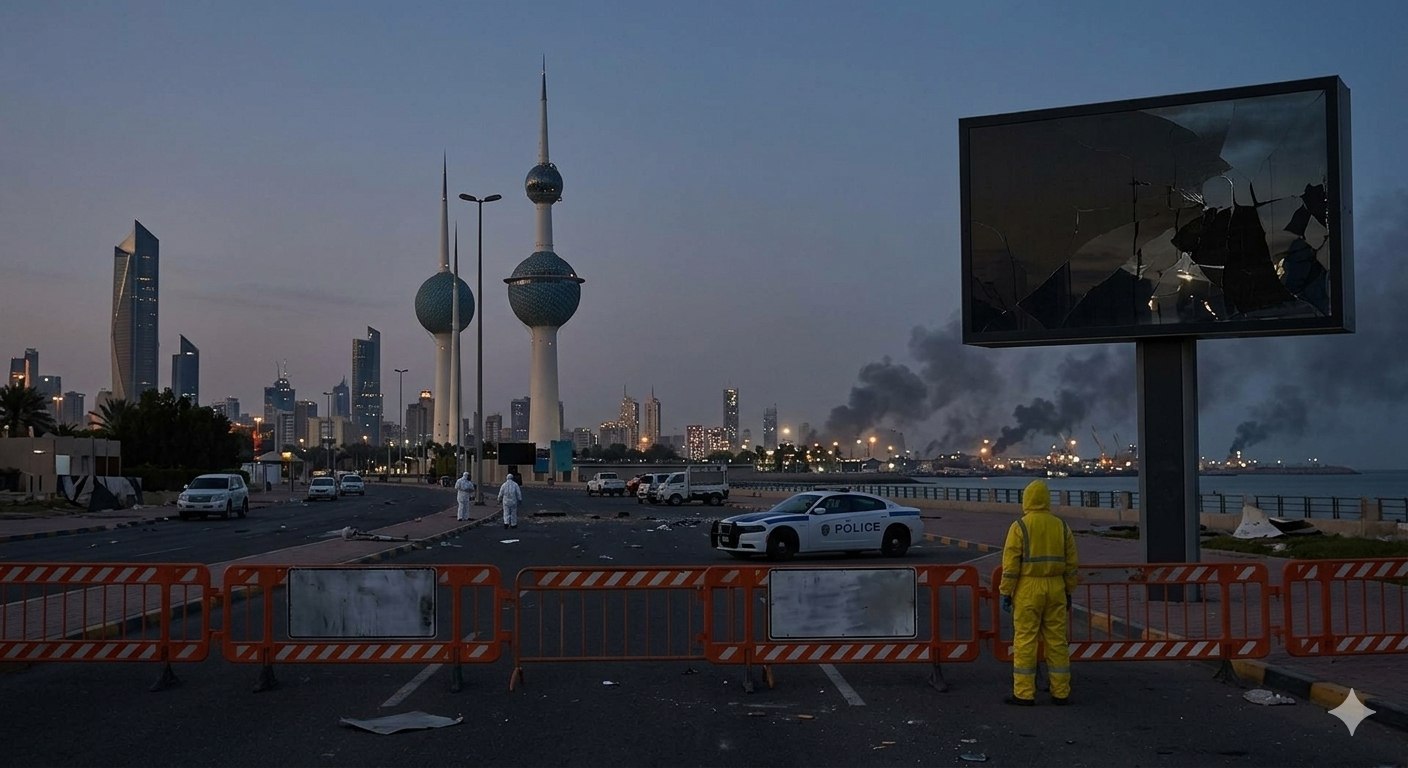
KUWAIT CITY: Kuwait’s National Guard issued public radiation-safety instructions on Tuesday, telling residents to seal windows, remain indoors and follow emergency broadcasts after Iranian authorities confirmed another projectile struck near the Bushehr nuclear power plant on the Persian Gulf coast. The Interior Ministry circulated the advisory through SMS and state television; no radiation release has been detected so far.
The Geopolitical Reality
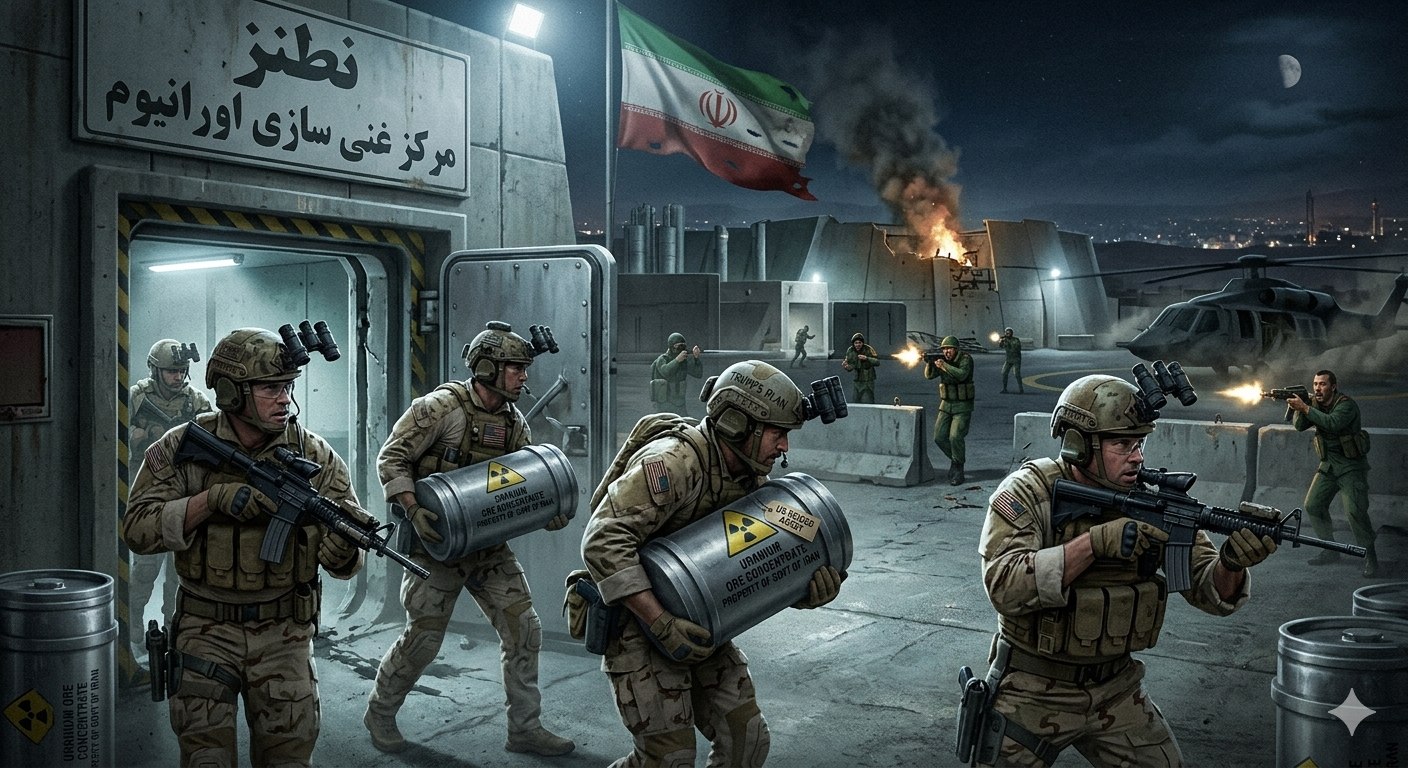
Bushehr is Iran’s only operational reactor and sits 250 km down-wind from Kuwait’s northern border. Russia’s state nuclear firm Rosatom has operated the site since the 1990s and maintains several hundred technical staff on rotation. Over the past week three waves of evacuations have reduced the Russian presence to a skeleton crew, according to Rosatom statements, eroding on-site damage-control capacity.
- Proximity: 17 km from the Strait of Hormuz chokepoint.
- Capacity: 1 GW electrical, 915 MWe net, light-water design.
- Staffing: ~700 Russian nationals evacuated since 18 March.
Repeated attacks on adjacent facilities have heightened regional concern that a future strike could breach containment or spent-fuel pools, forcing a large-scale radiological emergency across the western Gulf. Tehran blames the United States and Israel for the latest projectile; both governments have previously targeted Iranian nuclear infrastructure but have not commented on the Bushehr events.
The View from Delhi
New Delhi imports three-quarters of its crude through the Strait of Hormuz; a reactor accident that closes the waterway for even a fortnight would oblige India to draw immediately on strategic petroleum reserves and seek alternate suppliers at premium spot prices. Indian expatriates number roughly one million across Kuwait, Qatar and the UAE; a south-westerly plume would place them inside the most likely contamination corridor.
India’s civil-nuclear operators have memoranda of understanding with both Rosatom and the Kuwaiti nuclear-safety body, but Delhi has no formal crisis jurisdiction inside Iran. Any request for Indian technical assistance would therefore arrive through the IAEA chain, giving New Delhi a multilateral channel to protect citizens while avoiding overt alignment with either Tehran or Washington.
“A radiological release in the Persian Gulf is not a local event; it is a regional economic shock.”
— Indian strategic energy planner
Strategic Implications
Three scenarios confront Indian planners:
- Hormuz Closure: Even a rumour of core damage could trigger maritime insurers to suspend transit cover, effectively blockading the strait until monitoring agencies certify safe passage.
- Evacuation Arithmetic: The Gulf hosts ~8.5 million Indian passport-holders; large-scale repatriation would stretch the Indian Air Force’s civil-reserve fleet and require diplomatic clearance from multiple Gulf monarchies simultaneously.
- Energy Hedging: Spot Brent differentials could spike 15-20 % within days; India’s 5.3 m bpd import dependency leaves minimal fiscal headroom without activating the 87-day strategic reserve.
New Delhi’s response space is narrow: overt pressure on Tehran risks jeopardising Chabahar port investments, while silence could be read as complicity by Washington. The most probable course is quiet technical cooperation through the IAEA and accelerated insurance cover for Indian-flagged tankers, preserving strategic autonomy while preparing contingency supply chains through the Russian Far East and the US spot market.