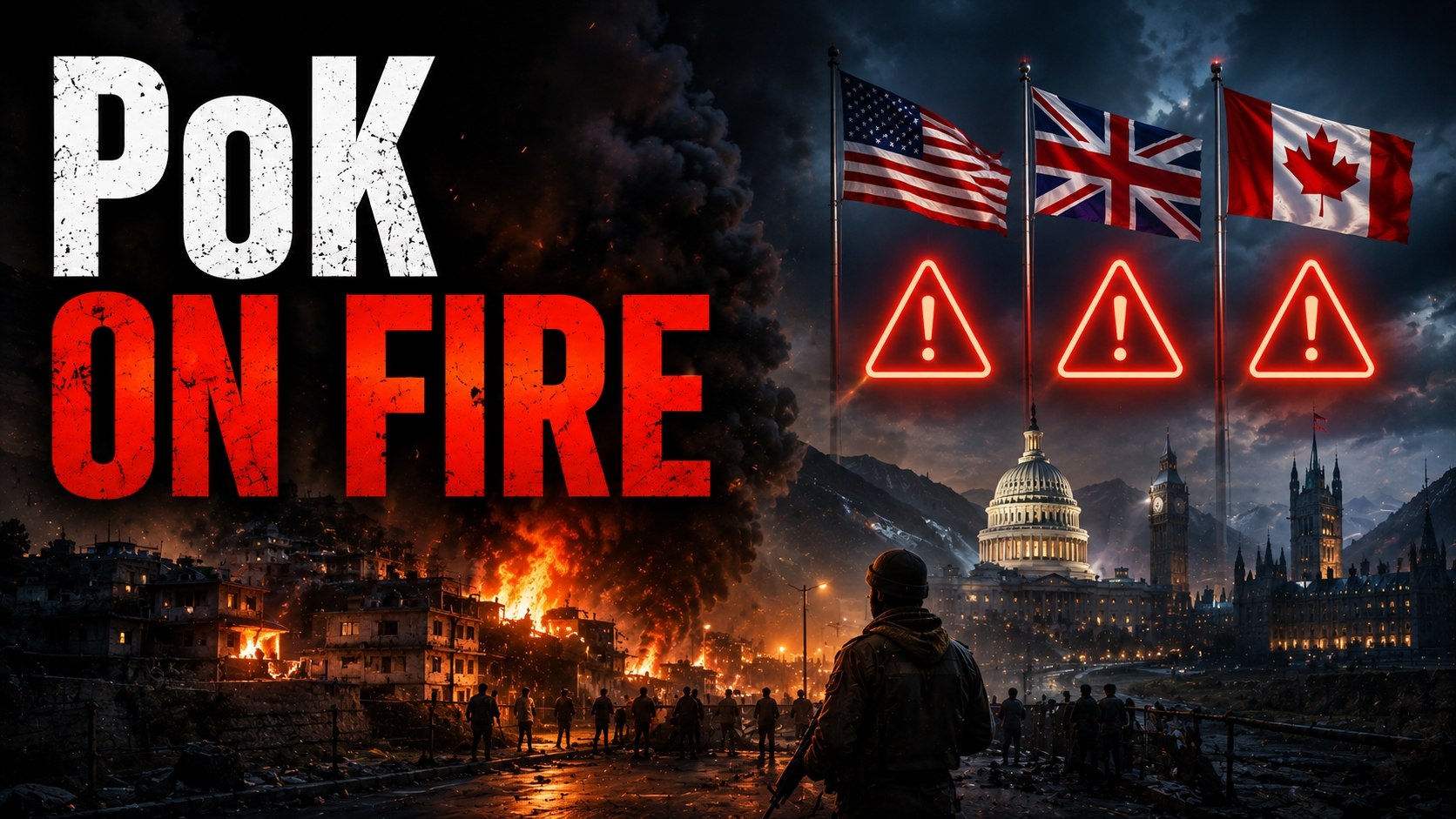
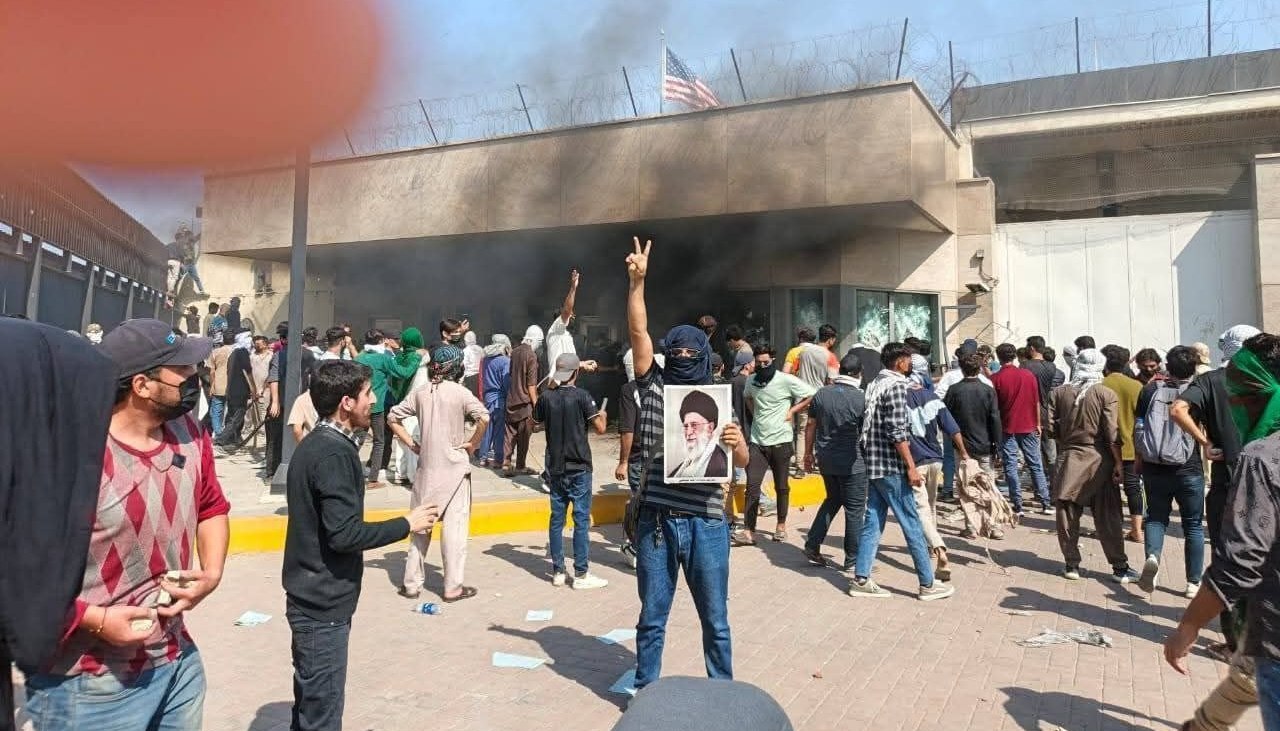
Karachi: On the evening of 3 January, hundreds of protesters chanting anti-US slogans stormed the US consulate in Karachi after unverified claims circulated that Washington and Tel-Aviv had assassinated Iran’s Supreme Leader. Al Jazeera, quoting hospital officials, reported nine to ten Pakistani fatalities after consulate guards opened fire. Police confirmed the compound’s perimeter was breached, windows were smashed and small fires were set before army units pushed the crowd back.
“Anger is boiling in Pakistan … the US consulate in Karachi has been torched.”
— Western geopolitical analyst, Twitter thread
The Geopolitical Reality
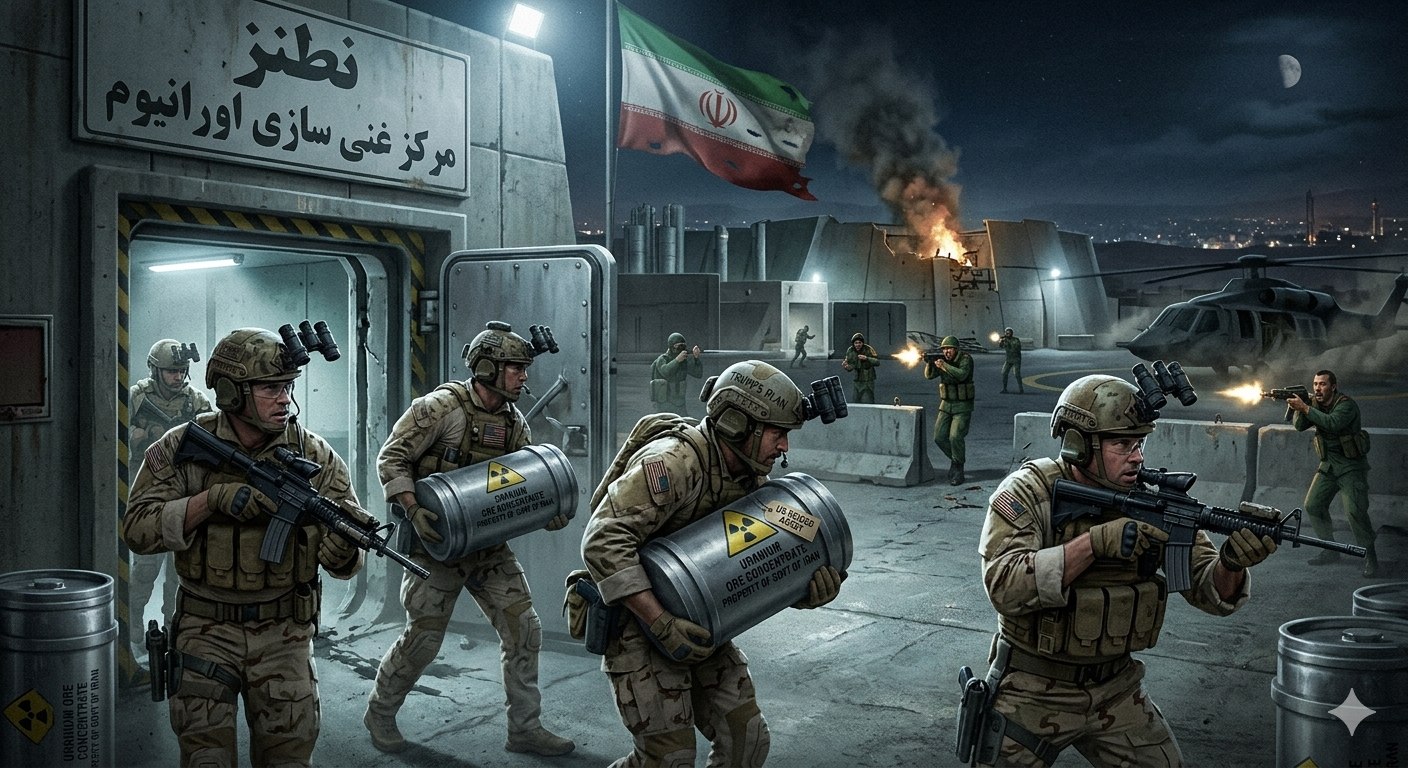
The incident lands in the middle of a three-way tension: Washington is simultaneously backing Pakistani air strikes against the Afghan Taliban, praising Army chief Asim Munir as a “favourite field marshal”, and preparing for a possible second strike wave on Iran. Islamabad, host to the world’s second-largest Shia population after Iran, officially condemned the earlier US-Israeli raids on Iranian targets and argued Tehran has “a right to retaliate”.
- US policy line: Support for Pakistan’s “right to defend itself” against Taliban forces.
- Pakistani street sentiment: Large Shia and sympathetic Sunni groups view any strike on Iran as an attack on a key religious ally.
- Security vacuum: Local police delayed intervention; Rangers arrived only after live rounds were fired inside the compound.
President Trump, hours after the Karachi violence, warned Tehran on social media that “Iran is going to hit very hard today” and threatened a retaliatory US strike “with a force never seen before”. Israeli officials, separately, have begun publicly addressing Iran’s ethnic spectrum—Kurds, Baloch, Arabs, Azeris—hinting at a pressure-from-within strategy should full-scale hostilities resume.
The View from Delhi
New Delhi has no direct footprint in the US–Iran–Pakistan triangle, yet the Karachi breach underlines two Indian concerns. First, any regime-fracturing scenario in Tehran raises the long-term prospect of a balkanised western frontier, repeating the sub-continent’s 1947 playbook and complicating India’s own Baluch and Shia constituencies. Second, a Pakistan that cannot secure foreign missions on its soil is also a Pakistan whose nuclear custodianship could come under question if domestic unrest widens.
For Indian planners, the episode is a reminder that Washington’s current preference for transactional partnerships—military praise one week, possible Iranian strikes the next—can inflame Pakistan’s sectarian fault lines without delivering durable stability on India’s western flank.
Strategic Implications
The immediate question is whether Islamabad will now deploy army units specifically to ring-fence US diplomatic assets, accepting the political cost of appearing an extension of American policy. Failure risks a repeat of the 1979 embassy-burning moment, but overt protection could further energise the anti-US constituency among Pakistan’s Shia parties and allied Sunni groups.
- Pakistan Army calculus: Balancing US financial incentives against domestic legitimacy already strained by economic hardship.
- Iranian retaliation window: Any missile barrage on Gulf or Israeli targets raises the probability of US counter-strikes launched from the Arabian Sea—airspace Pakistan may be asked to facilitate.
- Indian monitoring priorities: Signs of ethnic-separatist rhetoric inside Iran, refugee outflow plans, and potential disruption to Chabahar-linked trade routes.
The Karachi consulate incident is therefore not a one-off protest; it is a strategic signal that Washington’s Iran policy and its Pakistan policy are now on a collision course, with neither capital appearing able to calibrate street sentiment. For New Delhi, the key variable is time: the longer the US–Iran confrontation simmers, the higher the likelihood that Pakistan’s internal sectarian pressures spill into India’s security perimeter.