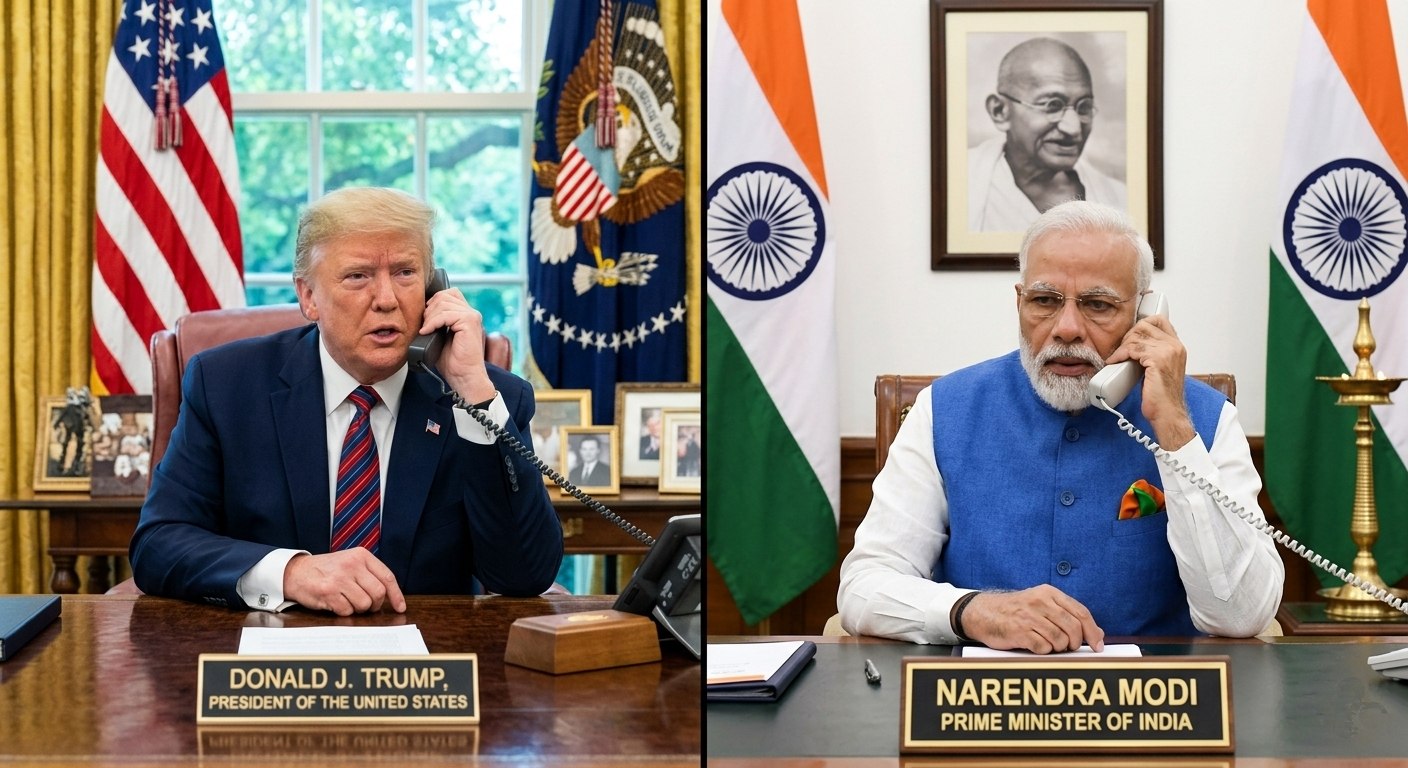
New Delhi: Prime Minister Narendra Modi and US President Donald Trump held their first bilateral conversation on the Iran conflict, focusing on keeping the Strait of Hormuz open and de-escalating hostilities. Modi tweeted that the exchange covered the “situation in West Asia” and reiterated India’s support for “de-escalation and restoration of peace at the earliest.”
The Geopolitical Reality
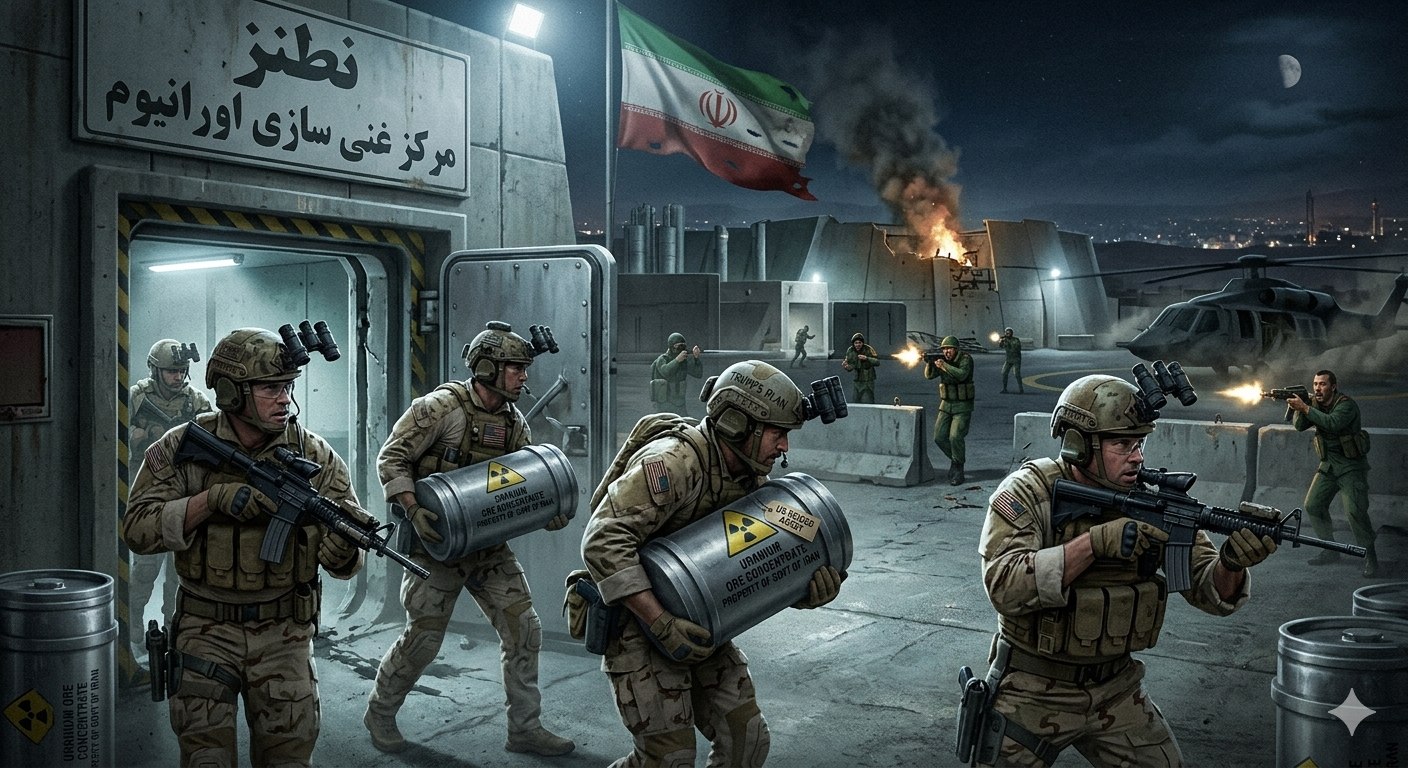
The 26-day US-Israel operation inside Iran has not produced the swift capitulation anticipated in Washington. Tehran continues missile strikes on Israeli and Gulf targets while the United States positions an additional 1,000 paratroopers in the region. A 15-point US plan—reportedly delivered through Pakistan—demands Iran freeze its nuclear programme and reopen the waterway, yet no negotiating track is visible.
- Energy choke-point: One-fifth of India’s oil and 60% of India’s LPG transits Hormuz.
- Manufacturing hit: India’s private-sector activity index fell to a 4.5-year low during the first month of the war.
- Global price spike: Brent futures have added USD 14 since the first strikes; Asian refiners face spot premiums above USD 5/bl.
Israeli military spokesmen state that “thousands of targets” remain inside Iran and request “at least three more weeks” of operations, complicating any US political exit.
The View from Delhi
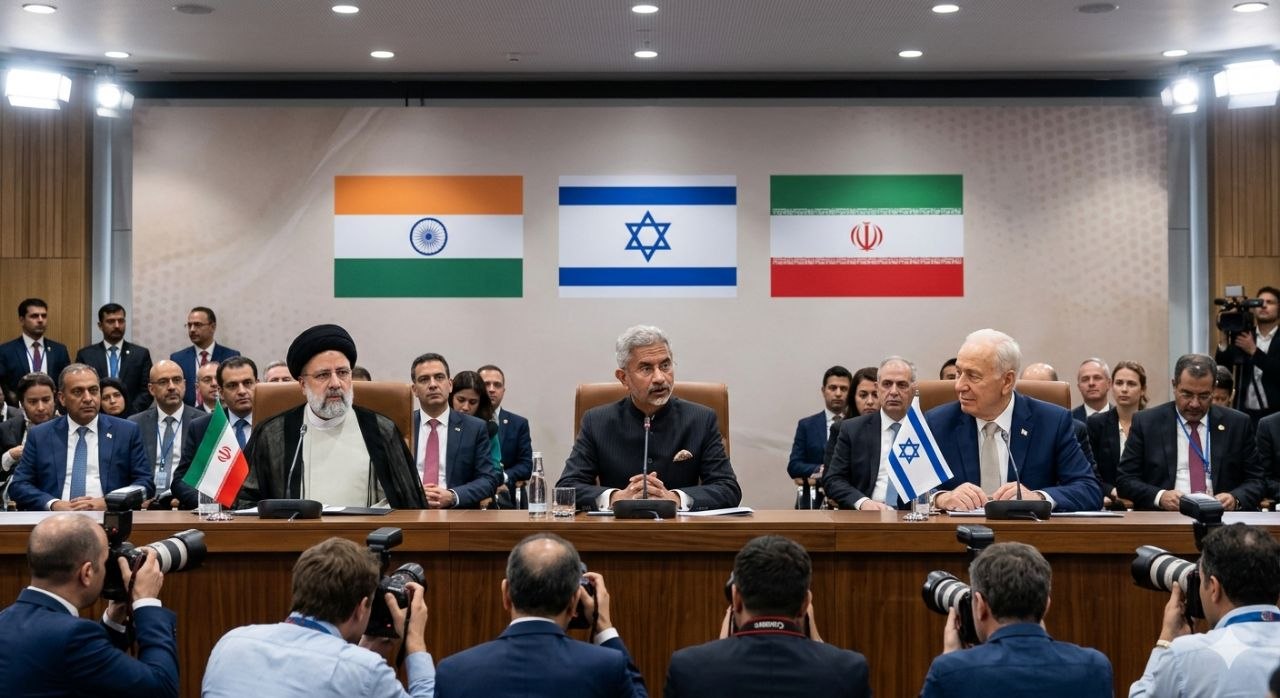
India is the only major power that maintains working relations with Iran, Israel, Saudi Arabia and the United States simultaneously. Closure of Hormuz directly threatens India’s energy-import bill, inflation trajectory and manufacturing recovery. Delhi’s public call for de-escalation is therefore aligned less with abstract multilateralism than with material self-interest.
“India can be a trusted player in reducing Middle-East tensions.”
— Iranian Ambassador to India
The episode also highlights the erosion of Pakistan’s utility as a back-channel: Islamabad’s ties with Israel remain non-existent and its credibility in Tehran is thin. Delhi’s capacity to host multi-party talks—without guaranteeing outcomes—offers Washington a low-risk diplomatic option while preserving India’s strategic autonomy.
Strategic Implications
If Hormuz stays shut for another month, India faces a forced draw-down of strategic petroleum reserves and a potential 0.3-0.4% drag on FY27 GDP growth. The Reserve Bank must then choose between tolerating higher imported inflation or tightening monetary policy into an already slowing industrial cycle.
More broadly, sustained conflict increases US dependence on Pakistani airspace and basing options, reviving leverage in Islamabad that Delhi has spent a decade eroding. Conversely, an Indian-brokered pause—however temporary—would reinforce Delhi’s emergence as a regional security manager without direct military commitment.
The window for such initiative is narrow: once US ground forces enter Iranian territory, diplomatic space collapses and India’s neutral access to both capitals diminishes. The Modi–Trump call suggests Washington recognises this clock; whether Delhi chooses to act before the military threshold is crossed remains uncertain.