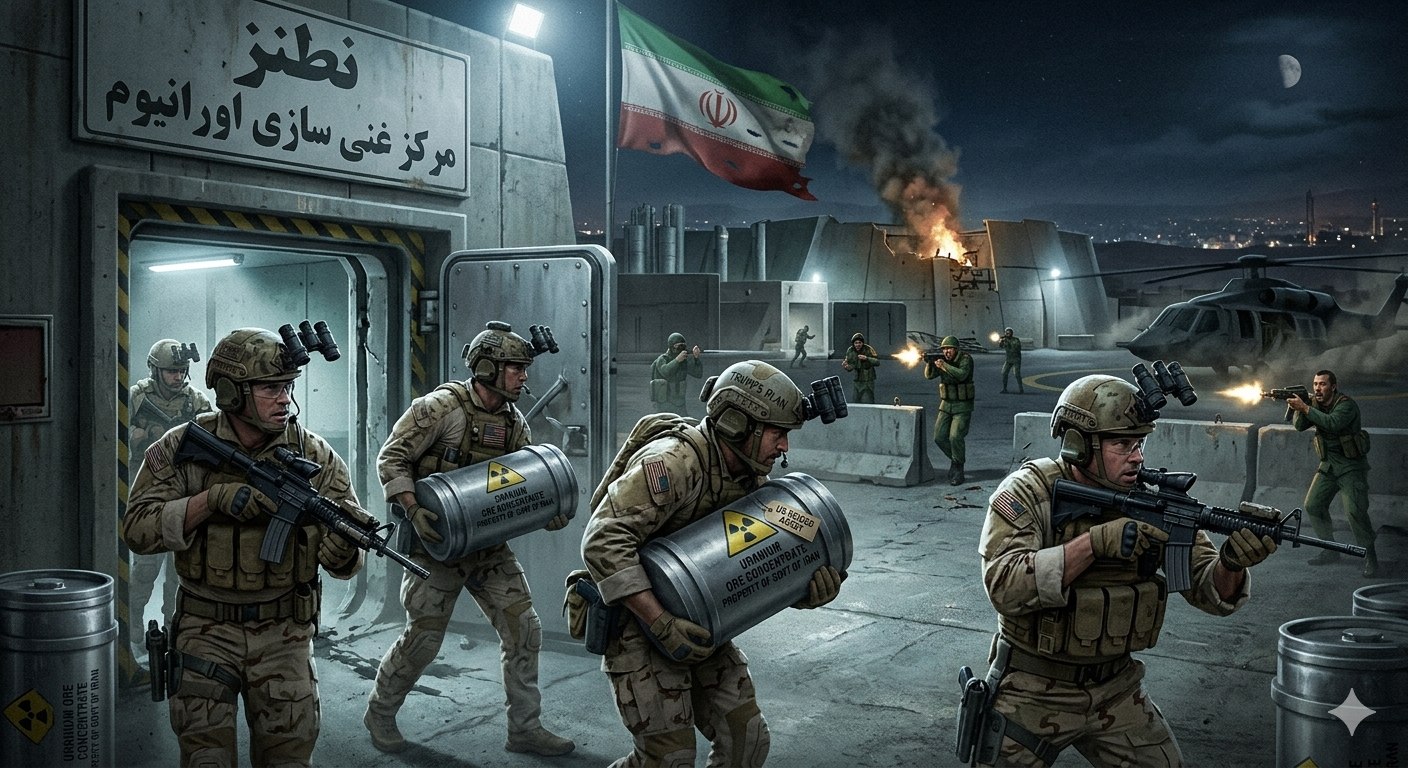
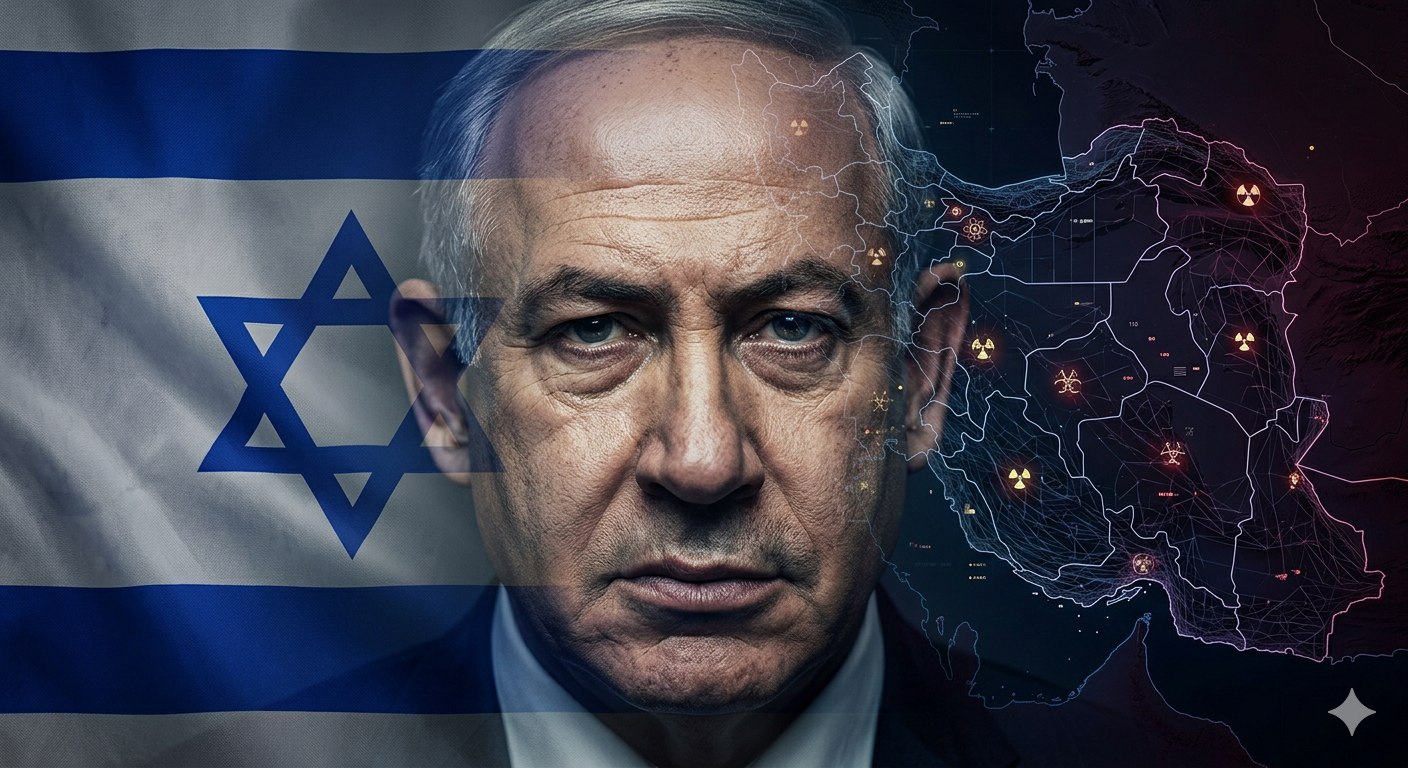
Jerusalem: Israel’s government informed domestic media on 3 April that it is conducting "a large-scale strike" on Iran, declaring a national state of emergency and urging civilians to prepare for possible retaliation. Video geolocated to Tehran shows sequential explosions at several defence facilities; Israeli officials described the action as a pre-emptive, precision campaign aimed at degrading Iran’s missile and alleged nuclear infrastructure. The United States has not formally acknowledged participation, but its Middle-East embassies were instructed to shelter in place and carrier groups remain in the Gulf.
The Geopolitical Reality
The US-Israeli alignment against Iran has hardened since 2022; Washington supplies intelligence and missile-defence coverage while Jerusalem handles kinetic operations. Tehran’s uranium stockpile, enriched to 60 percent, is now large enough—if further enriched—to yield multiple bombs, according to the IAEA’s confidential February report. Israel fears that once Iran fields even a crude device, its room for manoeuvre will collapse; Iran fears that without a latent deterrent it will remain vulnerable to air campaigns it cannot match.
"We will not allow Iran to endanger our future generations with nuclear weapons."
— Israeli government statement, 3 April
Washington’s calculus is complicated: a limited raid may satisfy allies without triggering another Middle-East occupation, yet any Iranian retaliation could entangle US bases and spike energy prices. Europe, China and Russia—each for separate reasons—oppose a wider war, but none has leverage to restrain either side.
The View from Delhi
India imports roughly three-quarters of its oil from the Gulf; Brent futures rose 5 percent within hours of the strikes. A protracted conflict that closes the Strait of Hormuz would push Indian import bills above USD 110 per barrel, widening the current-account deficit by an estimated 0.7 percent of GDP. Delhi also has nine million citizens in the region; the external-affairs ministry has not issued an evacuation advisory but is tracking embassy contingency plans.
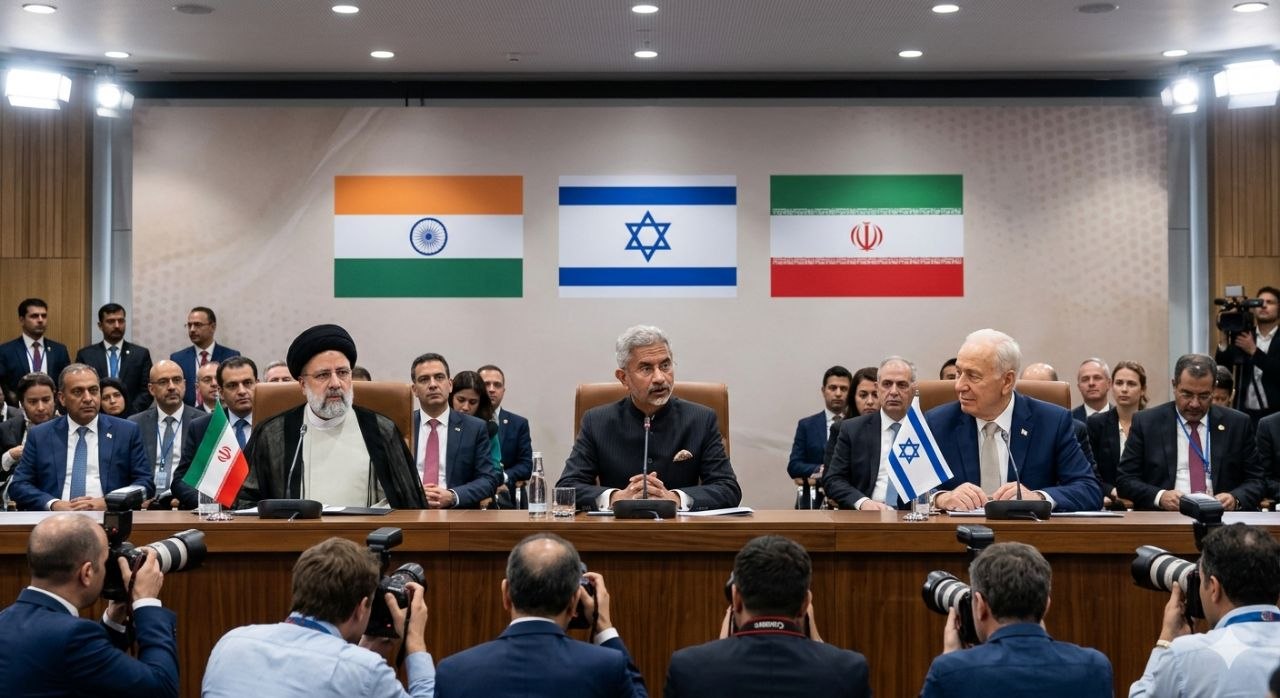
Strategically, India has invested in Chabahar port and rail links that bypass Pakistan to reach Afghanistan and Central Asia; damage to Iranian transport nodes would undercut Delhi’s connectivity hedge against China’s Belt and Road. Politically, any Israeli request for diplomatic support in multilateral forums would force Delhi to balance its anti-proliferation stance with its traditional ties to Tehran and the Islamic street at home.
Strategic Implications
- Oil shock window: India has 65 days of strategic reserves; a Hormuz closure lasting beyond that would require rationing or Russian crude barter.
- Diaspora risk: Retaliation against US bases in Qatar, UAE or Bahrain could endanger Indian workers housed nearby.
- Nuclear precedent: If Iran dashes for a weapon, Saudi Arabia and Turkey may follow, complicating Delhi’s non-proliferation diplomacy.
- Chabahar vulnerability: Indian port equipment is insured through European reinsurers; sustained sanctions or damage could freeze cover and stall expansion.
The key uncertainty is Washington’s next move: limited raids, a sustained air campaign, or pressure for a new JCPOA-style accord. Each path imposes different costs on Indian energy security, diaspora safety and regional leverage. Delhi’s best-case scenario is a quick de-escalation that keeps Iranian oil flowing and avoids a regional nuclear cascade; its worst-case is a long war that spikes prices and drags in US ground forces, forcing India to choose sides in a theatre where it has no combat role.