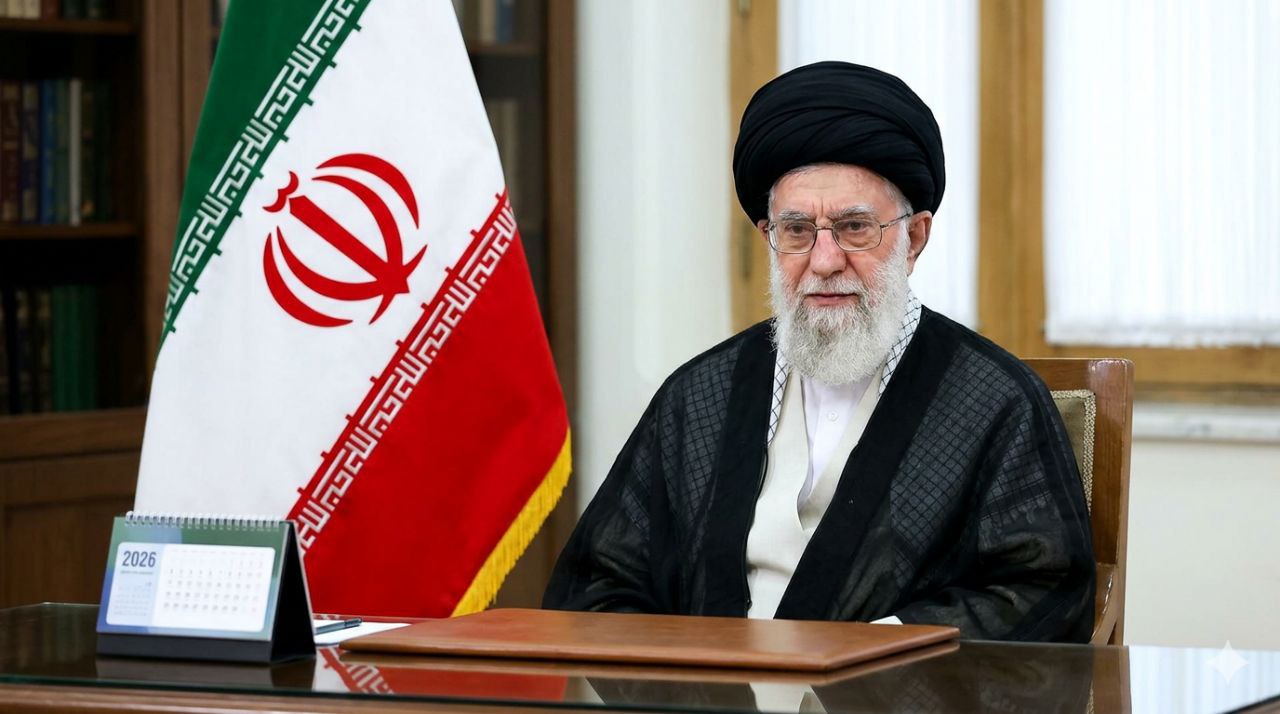
Tehran: Iran’s state media announced the death of Supreme Leader Ayatollah Ali Khamenei following a pre-dawn missile strike on his fortified compound in central Tehran. Former U.S. President Donald Trump and Israeli officials publicly claimed credit for the operation, describing it as the culmination of a long-running intelligence effort. Iranian representatives at the United Nations warned Washington to adopt a “polite tone,” while missiles landed on Dubai and other Gulf cities within hours of the announcement.
The Geopolitical Reality
The killing eliminates the single most powerful office in the Islamic Republic, creating a command vacuum inside a state already under layered sanctions. Iran’s constitution requires the Assembly of Experts to convene within days to name a successor, but the strike destroyed the physical seat of the Rahbar, complicating succession logistics.
Washington and Jerusalem have openly endorsed regime change, urging Iranian security services to “stand down” in exchange for future immunity. Gulf Arab states activated civil-defence plans after retaliatory missile salvos hit Dubai, suggesting Tehran’s immediate response will be asymmetric and regional rather than a conventional military confrontation.
“There was not a thing he or the other leaders could do.”
— Donald Trump, former U.S. President
Russia and China issued calibrated statements warning of a “radiological catastrophe,” signalling concern that escalation could disrupt energy flows and their own equities in the nuclear negotiations, but neither offered concrete security guarantees to Tehran.
The View from Delhi
New Delhi has no treaty obligation to defend Tehran, yet Indian refiners import roughly 600,000 barrels per day of discounted Iranian crude that finances the fiscal deficit. Any disruption tightens global supply and raises India’s import bill at a moment when Brent-linked domestic fuel prices are politically sensitive.
India’s Chabahar port investments hinge on stable Iranian institutions; succession turmoil or a Western-aligned government could reopen contracts, placing the transit route to Afghanistan and Central Asia at risk. Conversely, a protracted insurgency inside Iran would push more Afghani heroin and Shia refugees toward South Asia, activating domestic security concerns in Kashmir and Maharashtra.
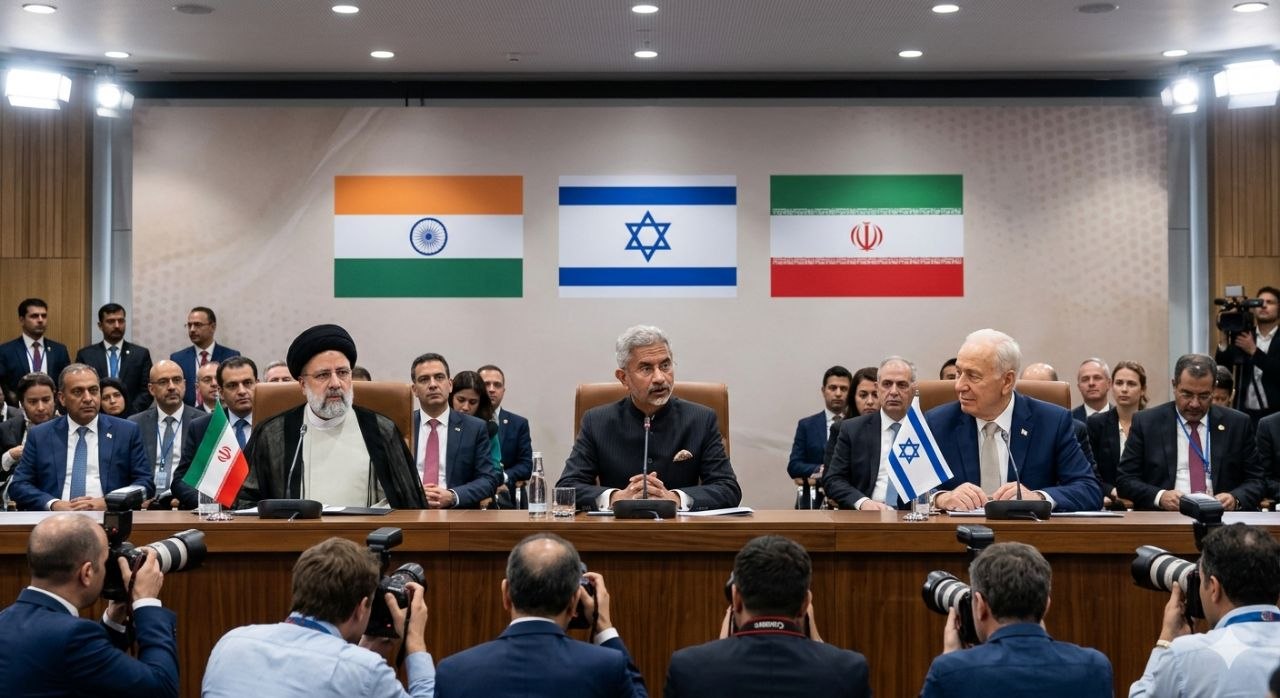
Delhi’s multi-alignment doctrine faces a stress test: Washington expects tighter enforcement of petroleum sanctions, while Tehran’s proxies could target Gulf Indians if Delhi is perceived as siding with the U.S.-Israel axis. The safest posture is diplomatic silence coupled with accelerated contingency planning for energy, diaspora security, and Chabahar asset protection.
Strategic Implications
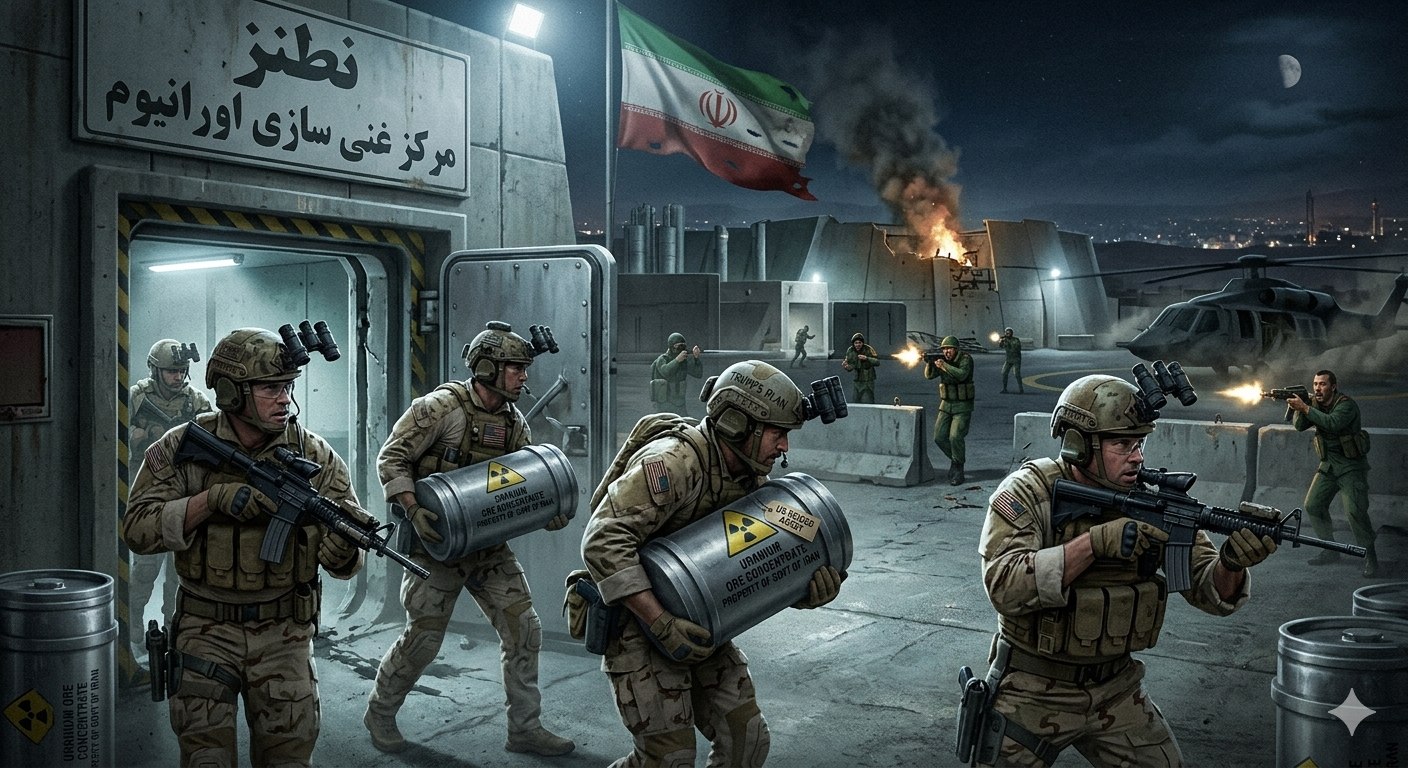
An Iranian leadership divided between pragmatists and Revolutionary Guard hard-liners must decide whether to race toward a nuclear breakout—either overtly or via a crude underground test—to restore deterrence, or to negotiate from weakness. Either choice raises the probability of further Israeli or U.S. preventive strikes, increasing the chance of disruptions to Strait of Hormuz traffic.
For India, the episode underscores the fragility of energy security dependent on West Asian crude. It strengthens the bureaucratic argument for long-term contracts with Russia, accelerated domestic exploration, and renewed dialogue with Washington for a strategic petroleum reserve release mechanism insulated from secondary sanctions.
Finally, the precedent of a major Asian power’s supreme leader being eliminated by external actors injects new uncertainty into India’s own threat calculus with Pakistan and China. Delhi will watch closely whether Iran’s retaliatory toolkit—hypersonic missiles, drone swarms, and grey-zone harassment—proves effective against U.S. carriers, informing future Indian Ocean force-posture decisions.