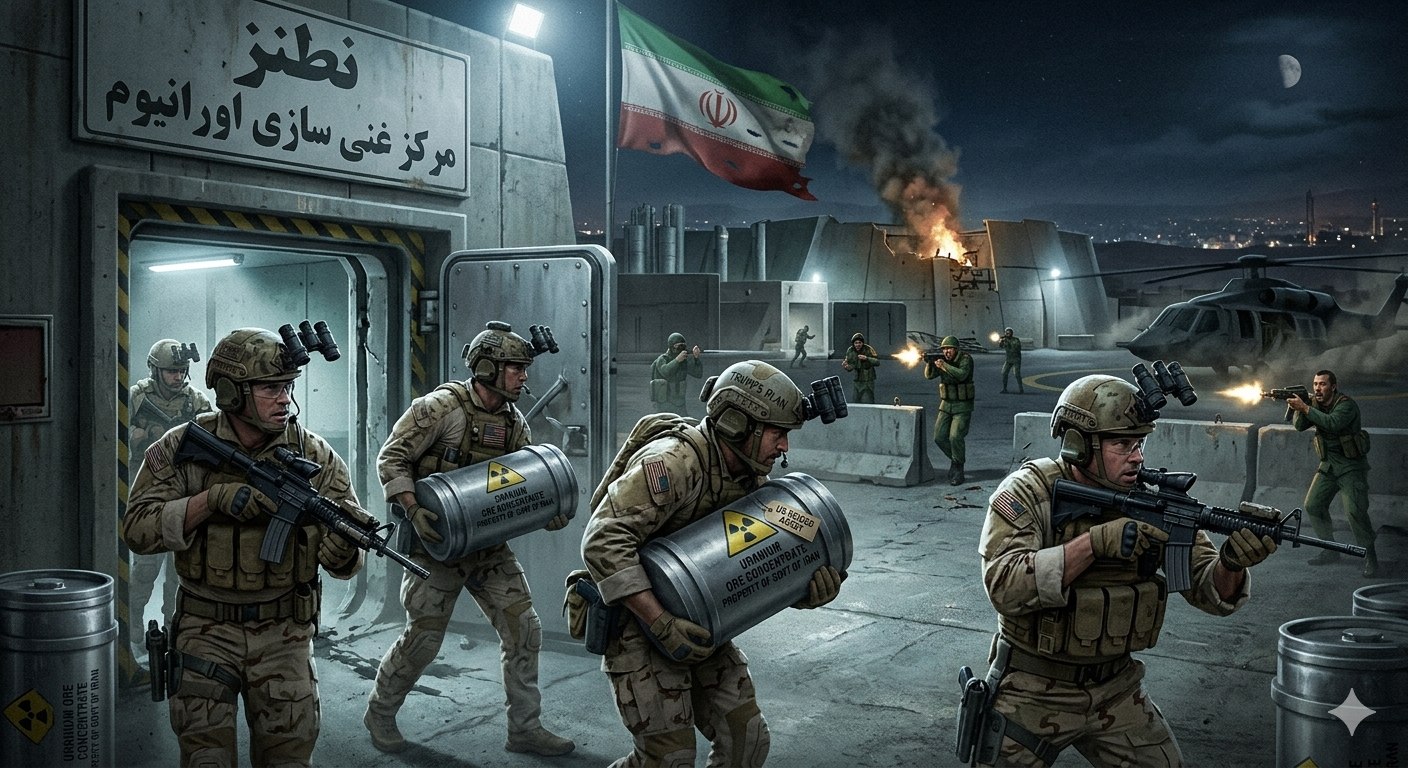
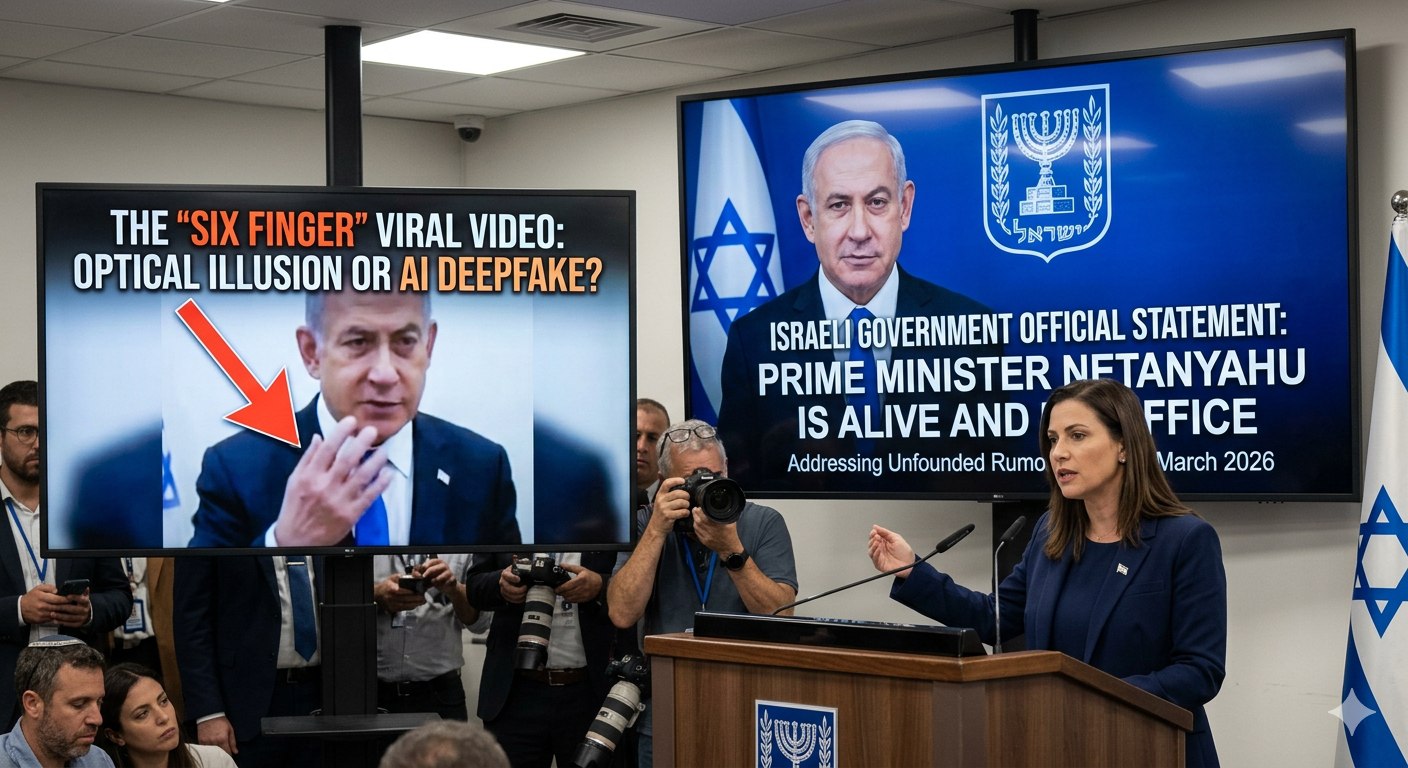
Jerusalem: The Israeli Prime Minister’s office confirmed Benjamin Netanyahu is alive after days of viral speculation fuelled by an AI-generated illusion in a war-update video. Tehran’s Revolutionary Guards publicly vowed to "pursue and kill" him if he remains in office, while Israel continues strikes against Iranian leadership targets. The sixteenth day of direct Iran-Israel exchanges has killed thousands and exhausted part of the US-Israeli interceptor inventory.
The Geopolitical Reality
The contest has moved beyond proxy battlegrounds to a mutual decapitation campaign. Ali Khamenei is dead; his successor Mustafa Khamenei is wounded but operational. Israel’s political leadership, in turn, is now Tehran’s declared target.
- Interceptor Cost: ~US $3 million per shot (Patriot).
- Iranian Drone Cost: US $20,000–200,000 per unit.
- US Stockpile Burn: Several years’ worth of missiles expended in weeks.
- Gulf Airfields Hit: Al-Dhafra (UAE), Kuwait Int’l Airport; investor exodus begins.
"If the child-killing criminal is still alive, we will pursue and kill him with full force."
— Spokesman, Iranian Armed Forces
China is watching the ammunition draw-down. European powers have not yet joined US naval escorts past the Strait of Hormuz; Russia remains silent.
The View from Delhi
New Delhi sees three immediate externalities. First, the cost-asymmetry equation—cheap drones versus million-dollar interceptors—validates India’s own two-tier missile defence mix: mountain-arbitrage radars with inexpensive counter-drone systems, plus a thin layer of high-end interceptors around political and economic nodes.
Second, a leadership-targeting norm is being entrenched. India’s nuclear command is strictly civilian-denied; still, the Iranian precedent raises questions about the security of its retaliatory strike architecture if a similar decapitation logic were applied during a future crisis.
Third, Gulf hydrocarbon volatility is back. Over 8 million barrels per day transit the Strait; insurance premia are climbing. Every $10 rise in Brent widens India’s current-account gap by ~0.4 % of GDP. Delhi therefore needs accelerated inventory build-up and long-term Russian crude lock-ins—both now complicated by tighter Western sanctions enforcement.
Strategic Implications
If the US Navy opens the strait under Trump’s declared show-of-force, Iran could scatter more sea-mines and activate Yemen’s Houthi missile belt. That keeps upward pressure on freight rates through at least Q2.
For Israel, interceptor depletion may force either a tactical pause or a request for emergency US transfers. Washington then faces a diversion dilemma: every Patriot battery moved to Israel is one less for Taiwan, whose own invasion watch rises as US stockpiles thin.
India must therefore prepare for two parallel shocks: a 1970s-style oil spike and a Taiwan contingency that diverts US carrier groups from the Indian Ocean. The result is an accelerated case for:
- Domestic A-SAT and drone-interceptor mass production.
- Strategic petroleum reserve expansion beyond the current 90-day cover.
- Quiet but firm coordination with Russia on crude supply stability.
The coming seven days will reveal whether the conflict plateaus at 30 days or slips into a protracted war of attrition that permanently raises the security premium on Gulf energy and, by extension, on India’s growth forecasts.