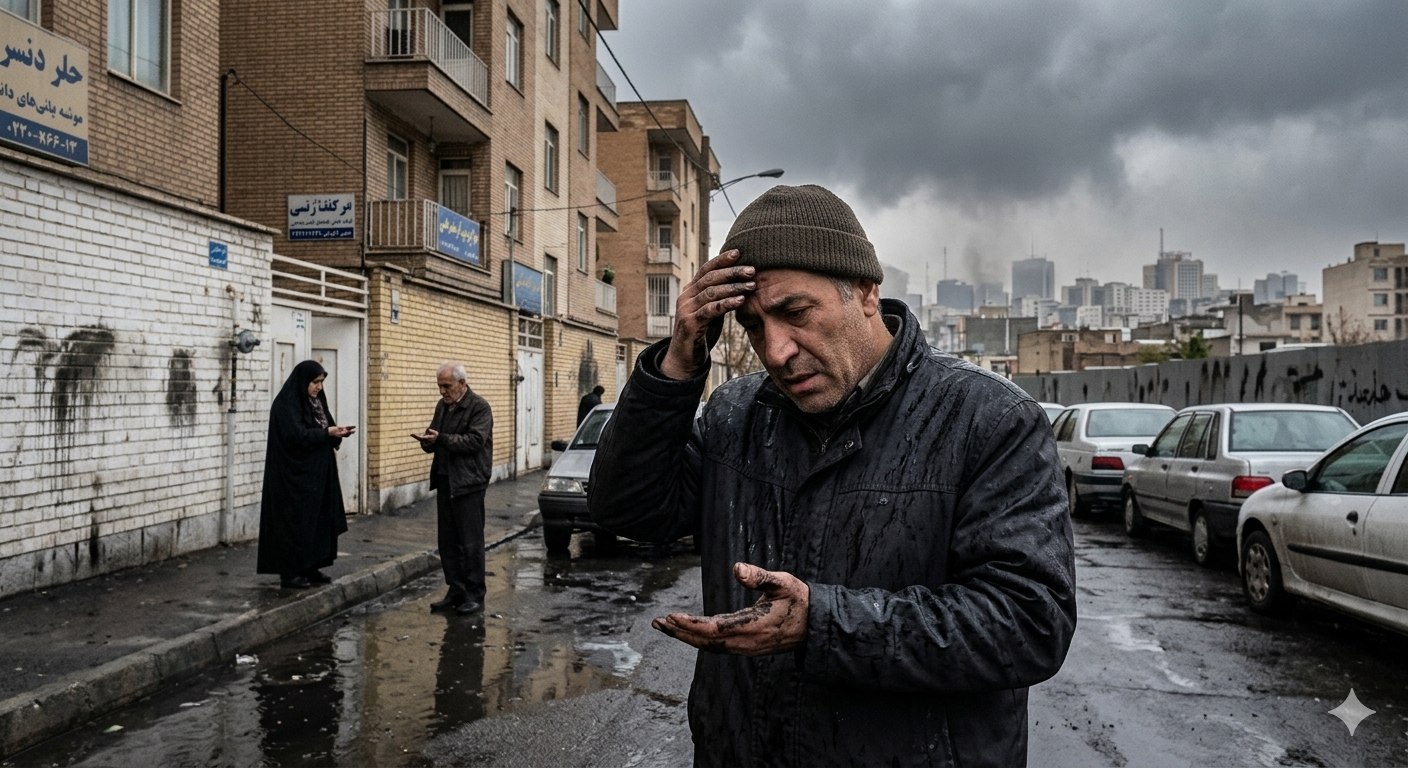
Tehran: Air strikes that began in March have ignited Iranian refineries and storage tanks, sending columns of soot laden with benzene, toluene and acetate into moist spring air. The resulting black rain—an oily, acidic precipitation—has now been recorded in at least a dozen cities. Iranian medical universities privately warn of rising respiratory admissions; the UN cautions that prolonged exposure risks cancers and foetal damage.
The Geopolitical Reality
Iran’s northern Alborz range traps pollutants at low altitude, creating a temperature inversion that prevents normal atmospheric mixing. Instead of dispersing, hydrocarbon aerosols concentrate over the plateau, turning routine spring showers into toxic events. The phenomenon is not radioactive—unlike the 1945 Hiroshima–Nagasaki fallout—but carries similar long-term stigma: soil contamination, food-chain poisoning and social ostracism of survivors.
Historical precedent is limited. Kuwaiti oil-field fires in 1991 produced localised black rain, yet those wells burned for months under a much smaller geographical bowl. Iran’s topography and the density of its energy infrastructure make the current contamination wider and more persistent. Satellite data show plumes reaching 6 km, sufficient to seed rain clouds across the plateau and the Persian littoral.
"Black rain is the latest grim example of how war zones create their own weather—and that weather poisons the next generation."
— Weather-modification scholar, University of Tehran
The View from Delhi
New Delhi has not joined Western sanctions on Iran, but it has quietly reduced oil purchases since 2019. A protracted closure of Iranian export terminals tightens global heavy-crude supply, pushing Indian refiners toward costlier US, Saudi or Russian grades. Strategically, India’s energy-security buffer shrinks; Brent volatility above USD 95/bbl widens India’s current-account deficit and complicates rupee management.
Politically, India balances ties with both Tehran and Washington. A humanitarian narrative centred on civilian poisoning complicates that balance: abstention from future UN votes becomes costlier if Indian public opinion frames Iran as a victim of environmental warfare. Delhi also worries about precedent—if atmospheric contamination becomes an accepted instrument of statecraft, Pakistan’s or China’s eastern theatres could witness similar tactics, raising Indian civil-defence costs.
Strategic Implications
- Food Security: Iran’s wheat and pistachio belts lie under the inversion layer; hydrocarbon deposition could slash yields, driving Tehran toward Indian grain markets at concessional terms.
- Health Diplomacy: Indian generic-cancer drug makers may face bulk requests from Tehran, testing US secondary-sanction thresholds.
- Environmental Norms: Delhi may push for a Geneva Protocol-style clause covering deliberate atmospheric contamination, aligning with its traditional disarmament posture.
- Energy Routes: Any Israeli move to blockade the Strait of Hormuz under an environmental pretext would spike India’s insurance premia and force longer voyages around the Cape.
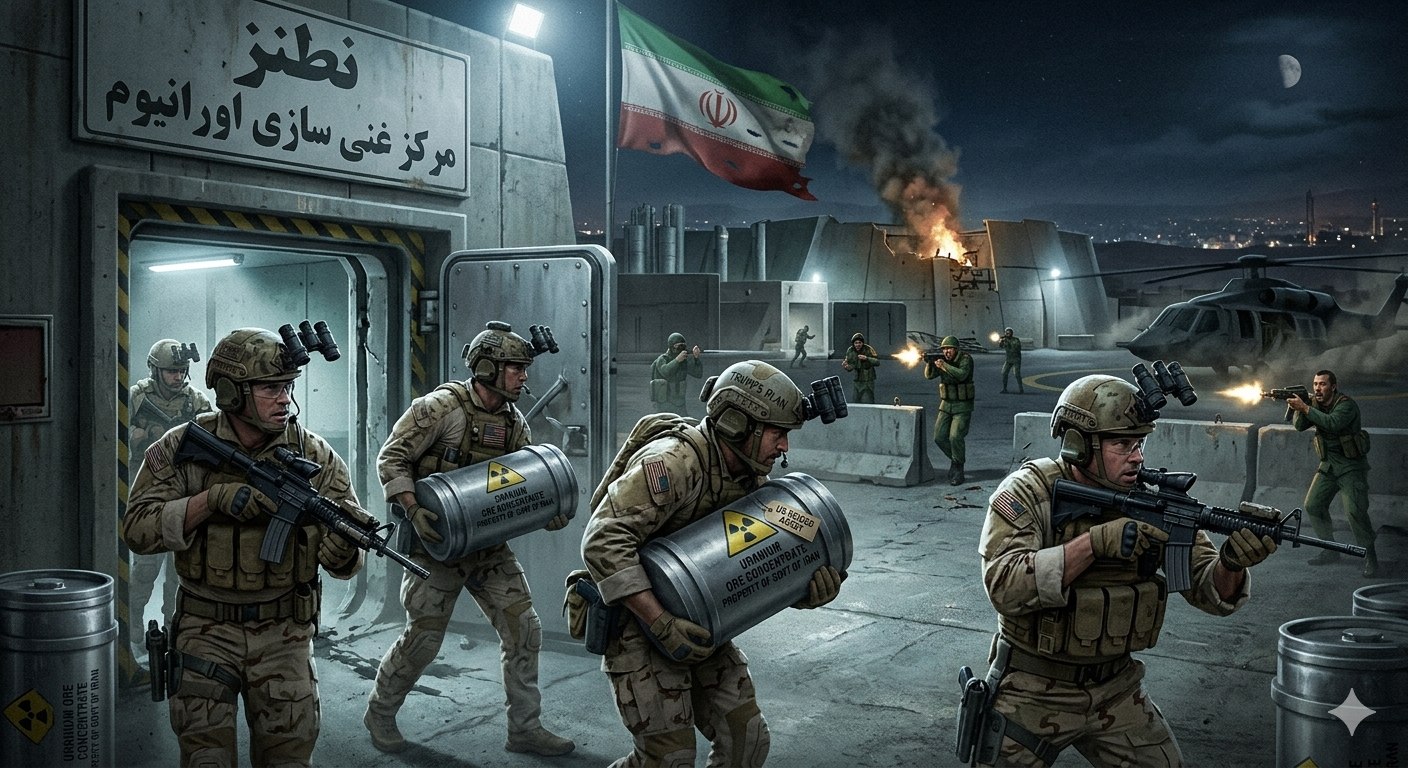
The strikes are still expanding. If US ground forces enter Iranian islands, missile exchanges will ignite more petro-infrastructure, extending black-rain patterns through the 2026 summer monsoon. For Indian planners, the key uncertainty is duration: a three-week campaign keeps oil prices elevated; a six-month campaign could reconfigure Asia’s entire mid-stream logistics chain.