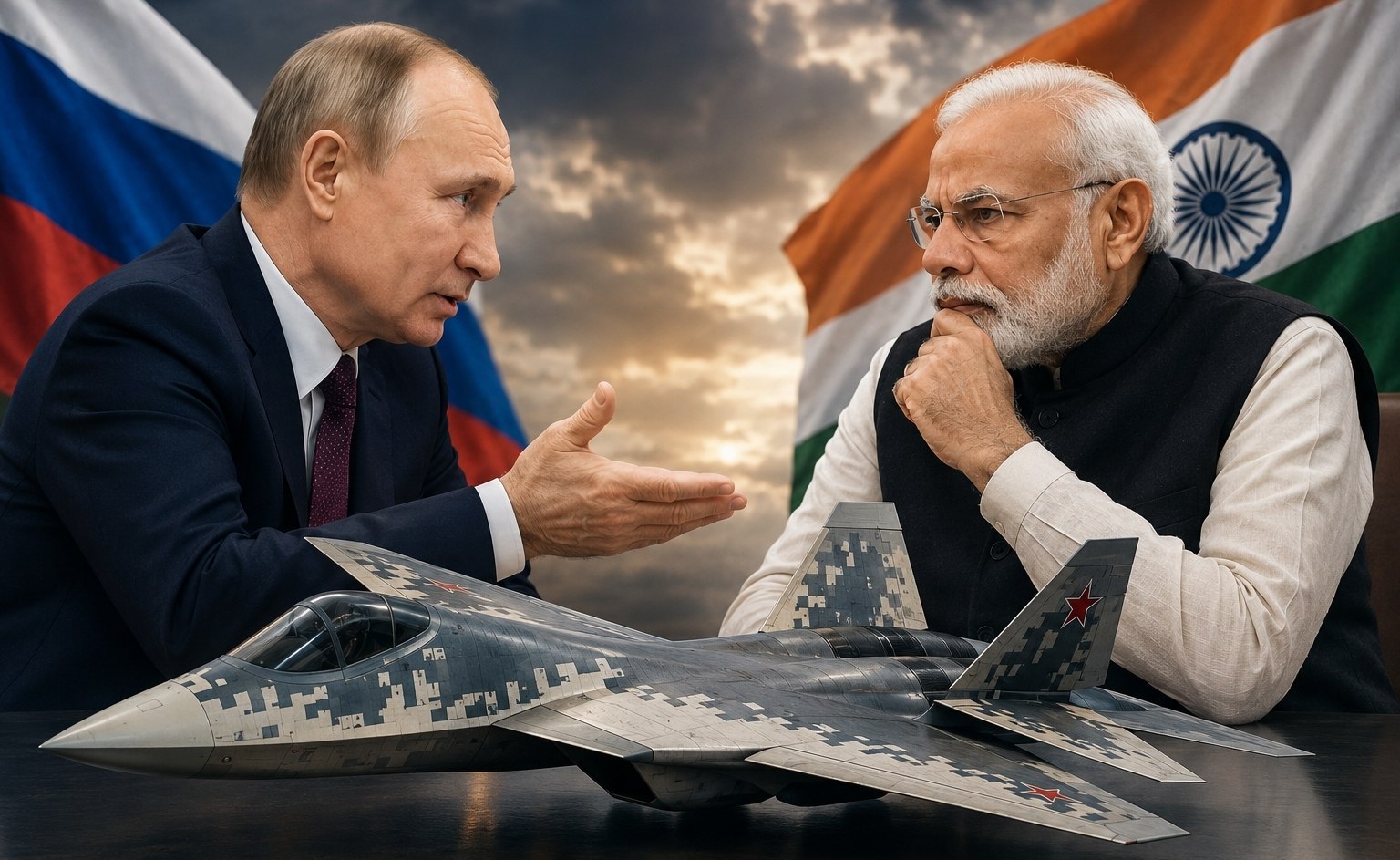
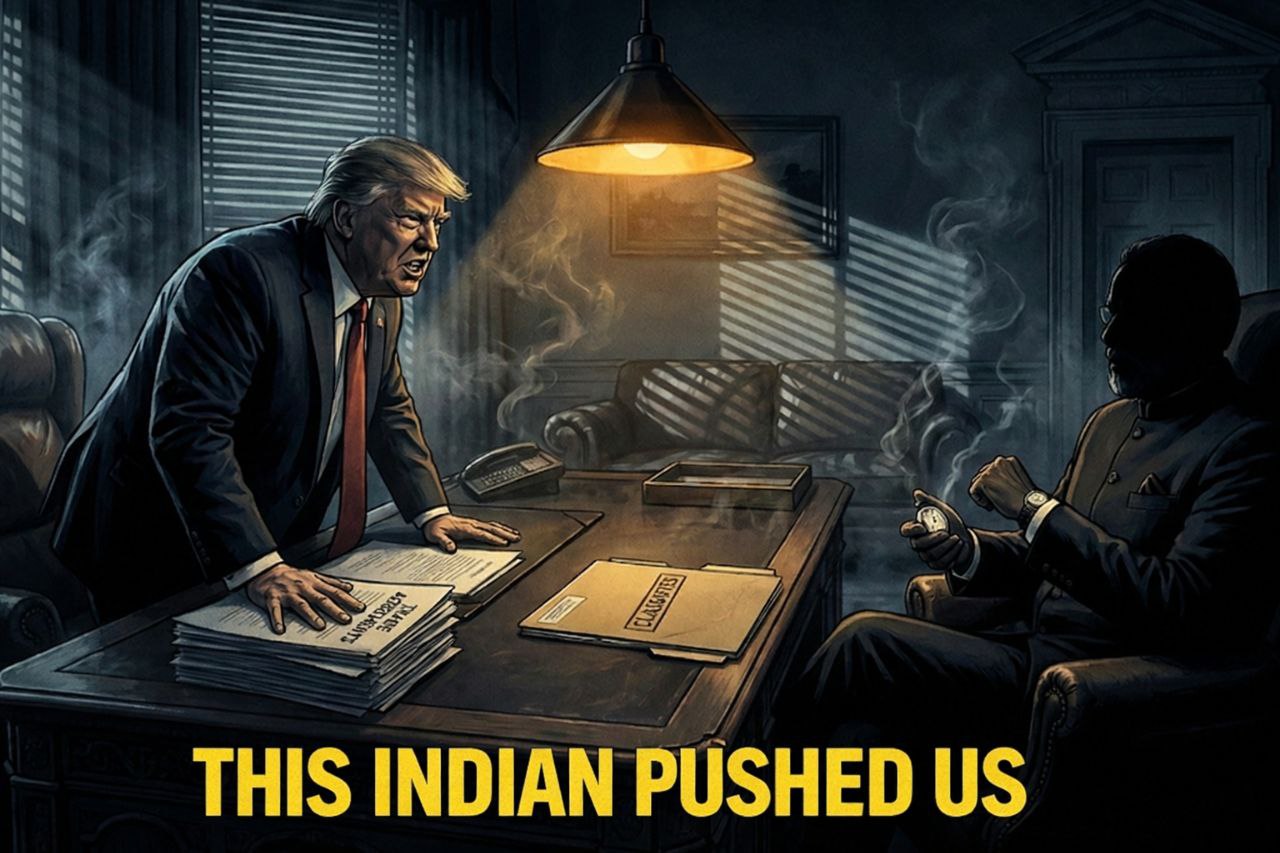
New Delhi, India: A diplomatic row has erupted over conflicting accounts of a purported India–US trade agreement, after President Donald Trump declared that India would cease purchasing Russian crude oil in exchange for reduced US tariffs. Within hours, Russian authorities publicly rejected the claim, stating that New Delhi had given no indication of an imminent embargo, while Indian officials reiterated longstanding policy to diversify—not terminate—energy suppliers.
Strategic Implications
Trump’s assertion, if implemented, would represent the most significant realignment of global energy flows since the 2022 sanctions regime against Moscow. Russia currently supplies roughly 40 % of India’s seaborne crude, a trade worth approximately US $22 billion annually. Abruptly replacing this volume with US barrels would require reconfiguring India’s refinery complex—optimized for Russian Urals grade—and negotiating long-haul freight contracts across the Atlantic. Analysts warn that any forced pivot could inflate India’s import bill by 8–12 %, feeding domestic inflation and widening the current-account deficit.
Background
Following the G7 price-cap mechanism, India emerged as the largest single buyer of discounted Russian oil, ramping up purchases from under 100,000 bpd in 2021 to over 1.7 million bpd by mid-2024. Washington has repeatedly urged New Delhi to curtail these imports, tying deeper defence cooperation to energy diversification. During recent tariff negotiations, the US agreed to slash duties on Indian steel and aluminium from 50 % to 18 %, with Trump claiming reciprocal concessions totaling US $500 billion in American exports and an end to Russian crude purchases.
Expert Analysis
Energy economists note that India’s public statements have consistently used the term “diversification,” not “termination.” A senior Indian refining executive, speaking anonymously, told World Focus India that switching to lighter, sweeter US grades would require at least 12–18 months of catalyst retrofits at key refineries such as Paradip and Vadinar. “We cannot simply swap barrels; the chemistry is different,” the source said. Meanwhile, Moscow has signaled willingness to deepen discounts to retain market share, complicating any cost-benefit calculus for New Delhi.
Looking Ahead
With Trump’s term extending only until January 2029, Indian strategists calculate that delay is a viable option. National Security Adviser Ajit Doval reportedly conveyed to US Secretary of State Marco Rubio that India could “wait out” the current administration if negotiations turn coercive. Absent written commitments, the status quo—gradual diversification while preserving Russian discounts—appears the most probable trajectory through 2026.