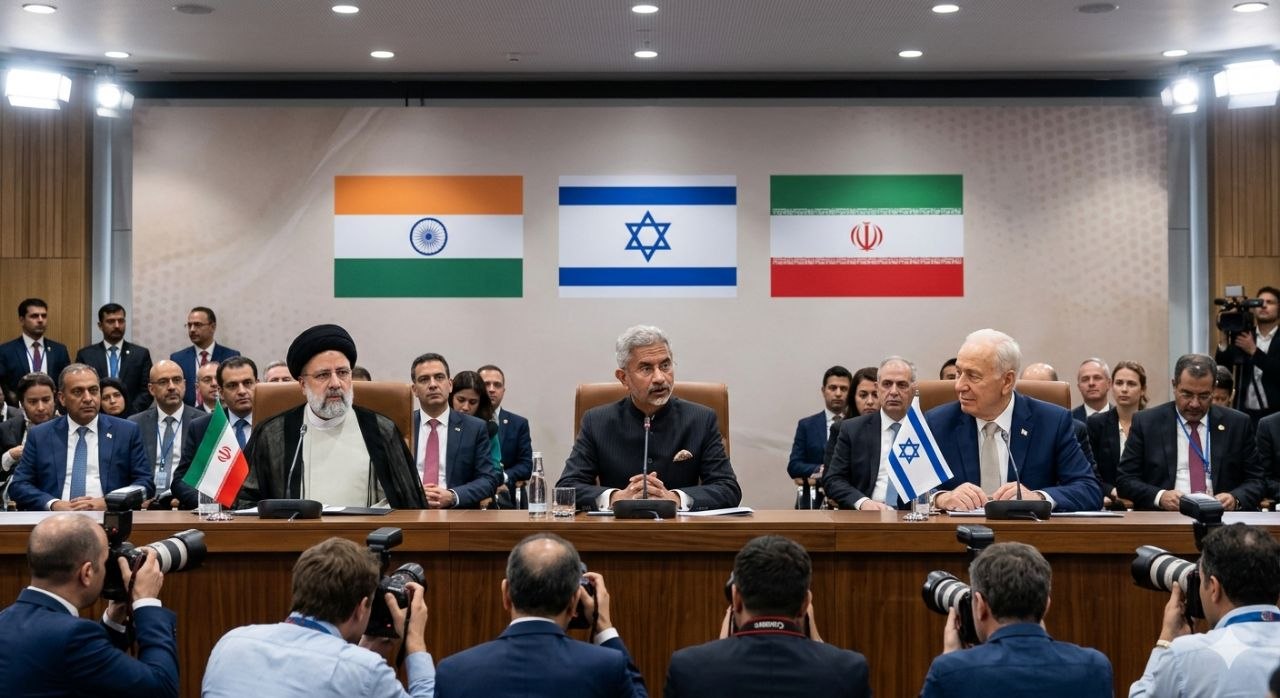
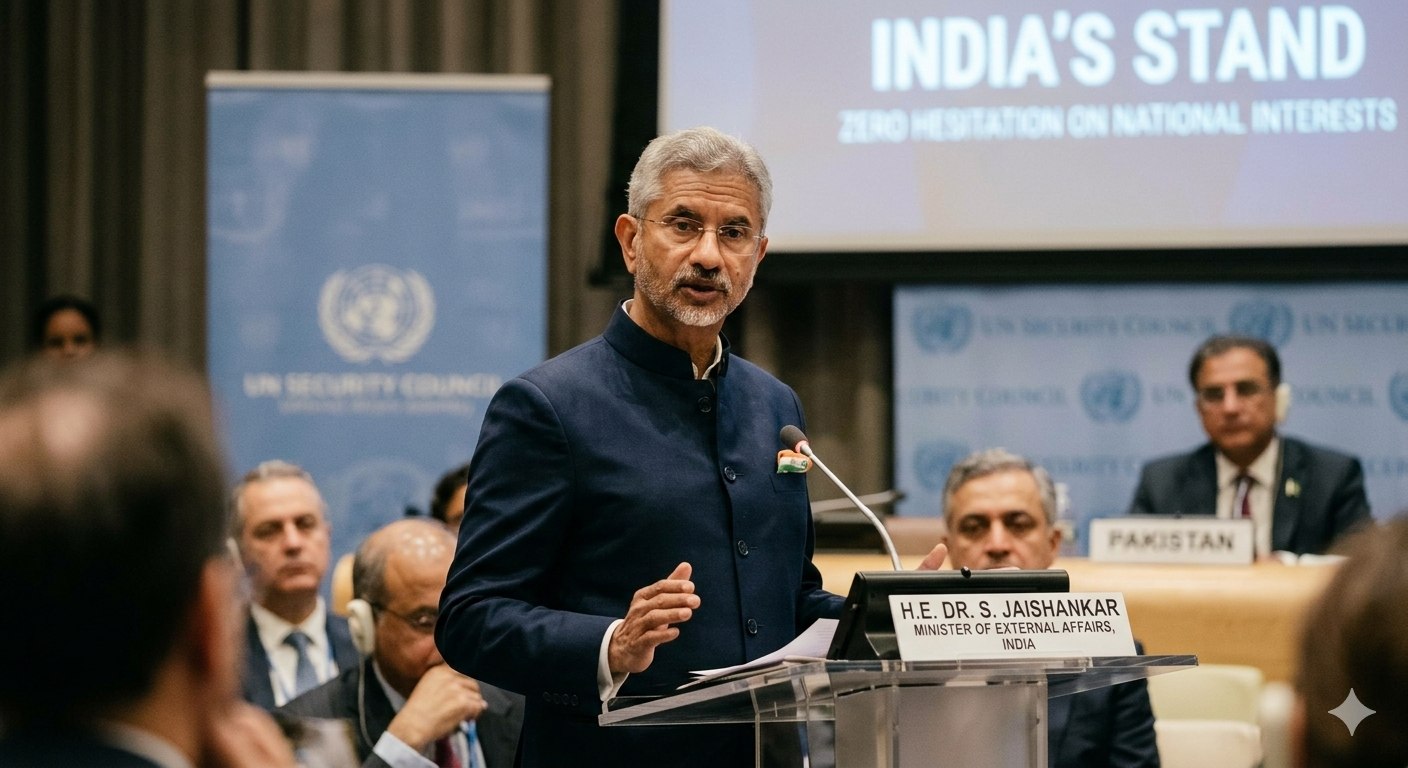
New Delhi: External Affairs Minister Dr. S. Jaishankar has informed opposition lawmakers that India does not act as a “broker” or “go-between” state, rebuffing suggestions that New Delhi should offer mediation between the United States and Iran. The exchange took place during a closed-door briefing in Parliament after opposition members questioned why Pakistan was reportedly hosting back-channel talks while India appeared “sidelined”.
The Geopolitical Reality
The Trump administration has quietly encouraged third-party venues to de-escalate tensions with Tehran, with Pakistan, Oman, Turkey and members of the Gulf Cooperation Council offering facilitation. Malaysian Prime Minister Anwar Ibrahim publicly thanked Islamabad for its “timely and constructive offer” to host US–Iran dialogue, a nod that elevates Pakistan’s diplomatic profile just as Israeli officials signal a multi-week air campaign against Iranian targets.
Washington’s receptivity to Pakistani interlocutors is not new: Army Chief General Asim Munir enjoys direct access to President Trump, a relationship repeatedly highlighted in US media. Yet the strategic objective of any such mediation remains limited; Israel retains operational control over targeting decisions and has already mapped a three-week strike sequence, making a cease-fire unlikely in the near term.
The View from Delhi
For Indian strategists, the episode underscores a structural preference: Delhi regards third-party mediation as a concession of strategic autonomy, useful for others but rarely for itself. Kashmir, the China border and even residual India-Pakistan friction are all filed under “bilateral-only”, a template that now extends to the US-Iran file.
The asymmetry is deliberate. Pakistan’s security establishment leverages proximity to Iran, a shared border, and historic US logistical dependence to insert itself into crises; India’s leverage rests on energy, diaspora and market access, none of which require mediation platforms. From South Block’s perspective, entering the fray would expose Delhi to reciprocal pressure on issues it considers non-negotiable while yielding no tangible influence over Israeli operational calendars.
Strategic Implications
Islamabad’s current diplomatic surge is unlikely to alter battlefield realities but will reinforce a narrative of “geopolitical rehabilitation” in Western capitals, aided by a compliant domestic media ecosystem and selective US outlets. For India, the risk lies not in being “sidelined” but in allowing the perception of diplomatic passivity to harden among Gulf states that now balance ties with both Washington and Tehran.
New Delhi’s response toolkit is narrow: sustained engagement with Jerusalem to protect energy lanes and diaspora security, and quiet coordination with Oman and the UAE—states that share India’s preference for de-escalation without mediation theatrics. The bottom line: India will not chase mediation roles that offer optics without leverage.