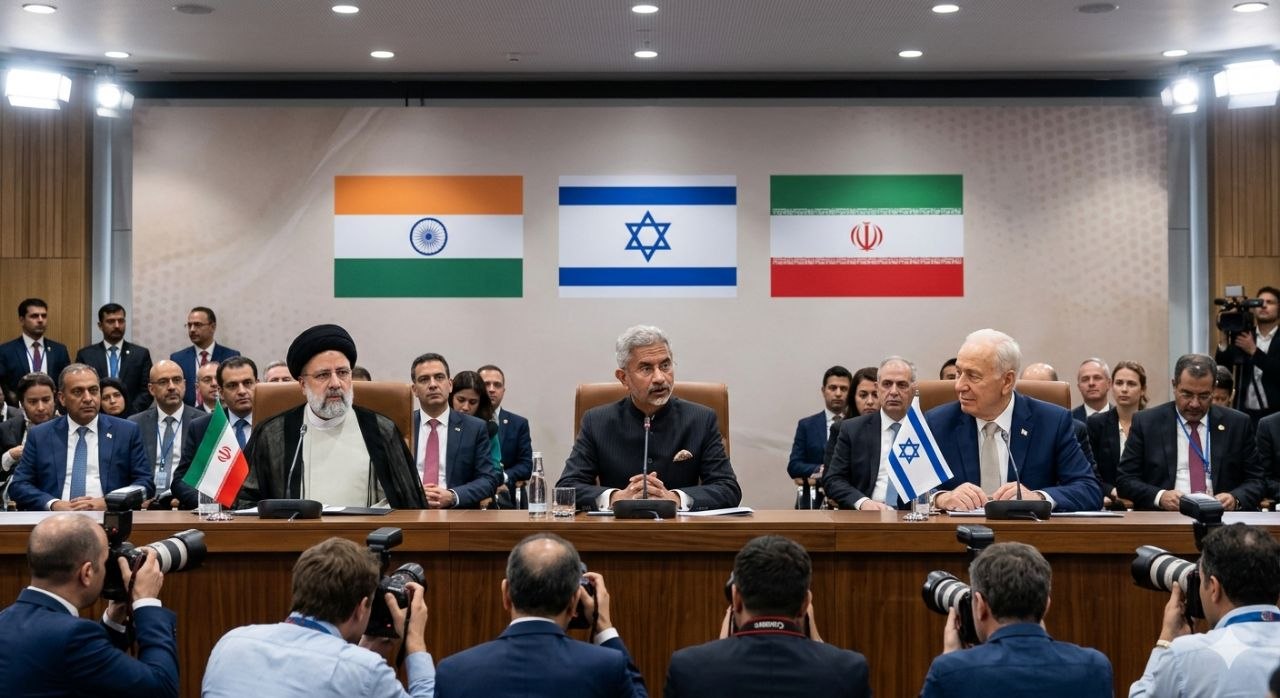
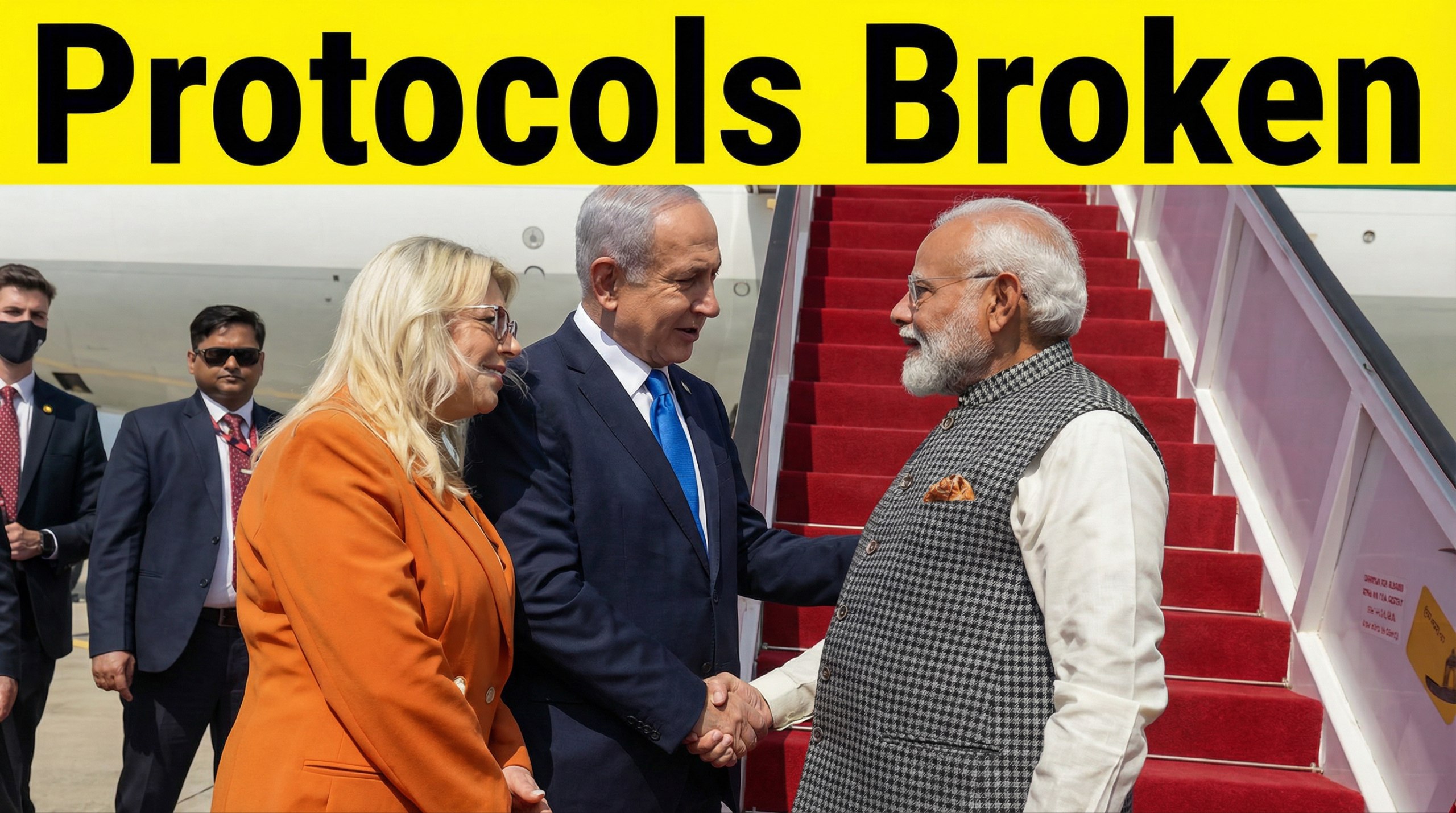
Tel Aviv: Israeli Prime Minister Benjamin Netanyahu personally received Prime Minister Narendra Modi at Ben-Gurion airport on 4 July, breaking protocol normally reserved for heads of state. The same week Pakistan's Senate passed a resolution denouncing what it called an "anti-Muslim Ummah" Hexagon Alliance reportedly being promoted by Israel, and Turkish officials signalled growing discomfort about being bracketed with Iran as a regional threat.
The Geopolitical Reality
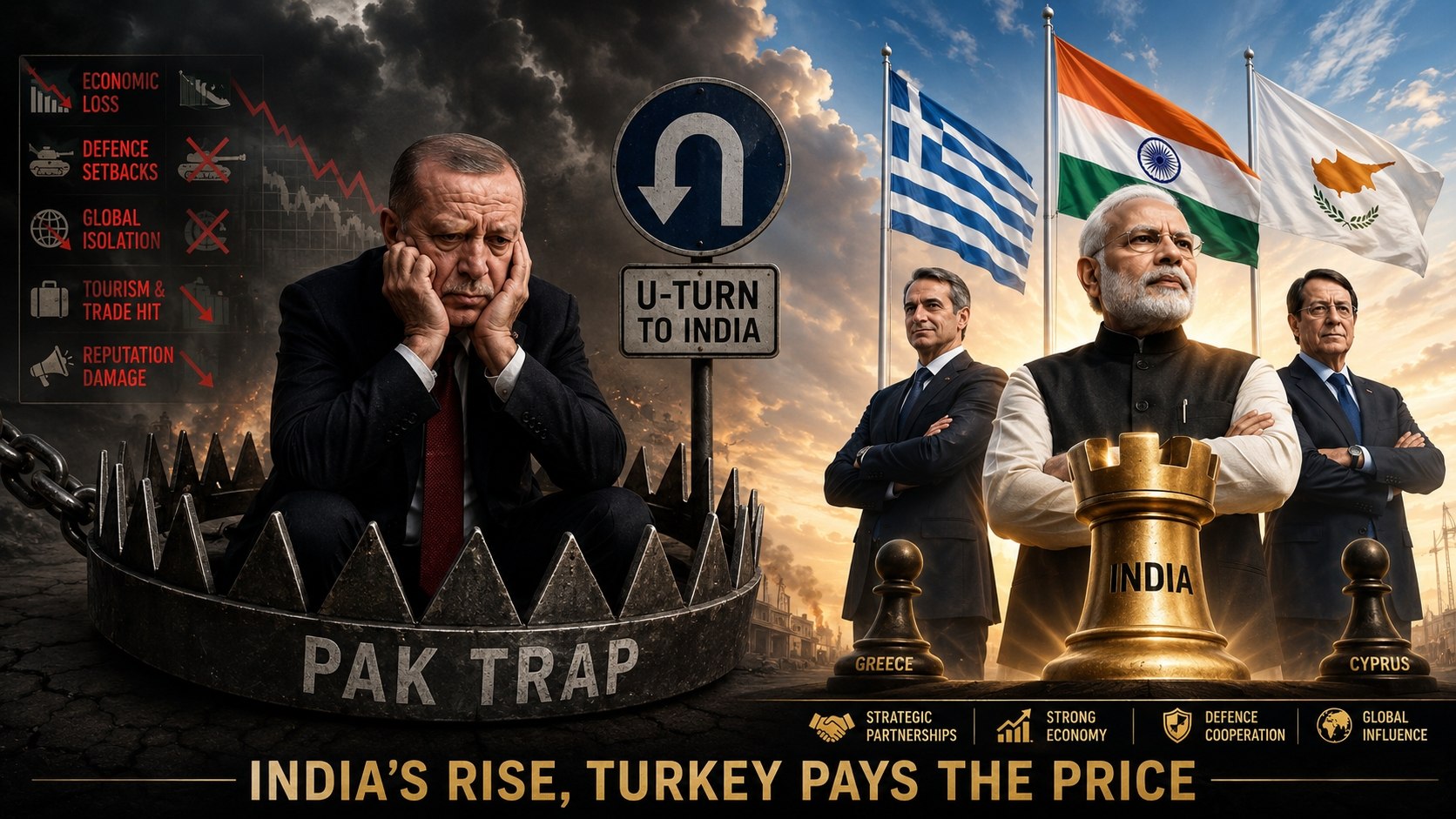
Netanyahu has publicly advocated a loose coalition of states that share suspicion of Turkey's regional posture and, in some cases, of Pakistan's nuclear capability. The proposed core is Israel, India, Greece and Cyprus; officials in Jerusalem say Ethiopia and unnamed Arab states may be invited. No joint statement has been issued, but the concept is being discussed in think-tank tracks that include former officials from all four states.
"Turkey is the new Iran … a new Turkish threat is emerging."
— Naftali Bennett, former Israeli Prime Minister
Turkey's currency is already under pressure and Ankara faces potential CAATSA-related sanctions if it activates its Russian S-400 battery. An additional front with Israel could further complicate its efforts to resuscitate the lira and secure F-16 upgrades from Washington.
The View from Delhi
For Indian planners, the utility of any alignment depends on whether it advances four objectives: keeping Pakistan off balance, diversifying energy supply routes, preserving market access in the Gulf, and avoiding deeper entanglement in intra-Islamic disputes. A formal alliance that positions India against Turkey offers marginal gain on the first count and negative returns on the other three. Delhi's bilateral relationship with Ankara is thin but not hostile; trade is growing, and Turkey remains a gateway to European markets for Indian textiles and chemicals.
Equally, overt association with an Israeli-led grouping could erode Delhi's carefully cultivated image as a neutral security partner in the Arab world at a time when the UAE and Saudi Arabia are deepening defence ties with India. New Delhi has historically preferred issue-based coordination—anti-piracy in the Red Sea, humanitarian evacuations from Sudan—rather than bloc politics.
Strategic Implications
- Missile Leverage: Israel has floated supply of the 2,000-km range Golden Horizon air-launched ballistic missile. If transferred, Pakistan's fear of a decapitation strike against buried command centres would rise, but actual deployment would require integration with Indian aerial refuelling and satellite-targeting assets—capabilities still being refined.
- Congressional Hurdle: Any Israeli sale of advanced missiles triggers the U.S. Arms Export Control Act; Washington can veto re-export. Delhi must weigh whether the diplomatic cost of lobbying Congress is worth a capability that may not clear Capitol Hill.
- Alliance Credibility: Without Indian participation the grouping remains a diplomatic convenience for Israel; with India inside, it risks becoming a self-fulfilling prophecy that pushes Turkey and Pakistan into tighter coordination—something Indian diplomacy has spent two decades trying to prevent.
New Delhi's silence so far keeps both leverage and options intact; the longer Delhi delays an open commitment, the more space it retains to extract concessions—from Jerusalem on technology transfer, and from Ankara on restraining anti-India rhetoric at the OIC.