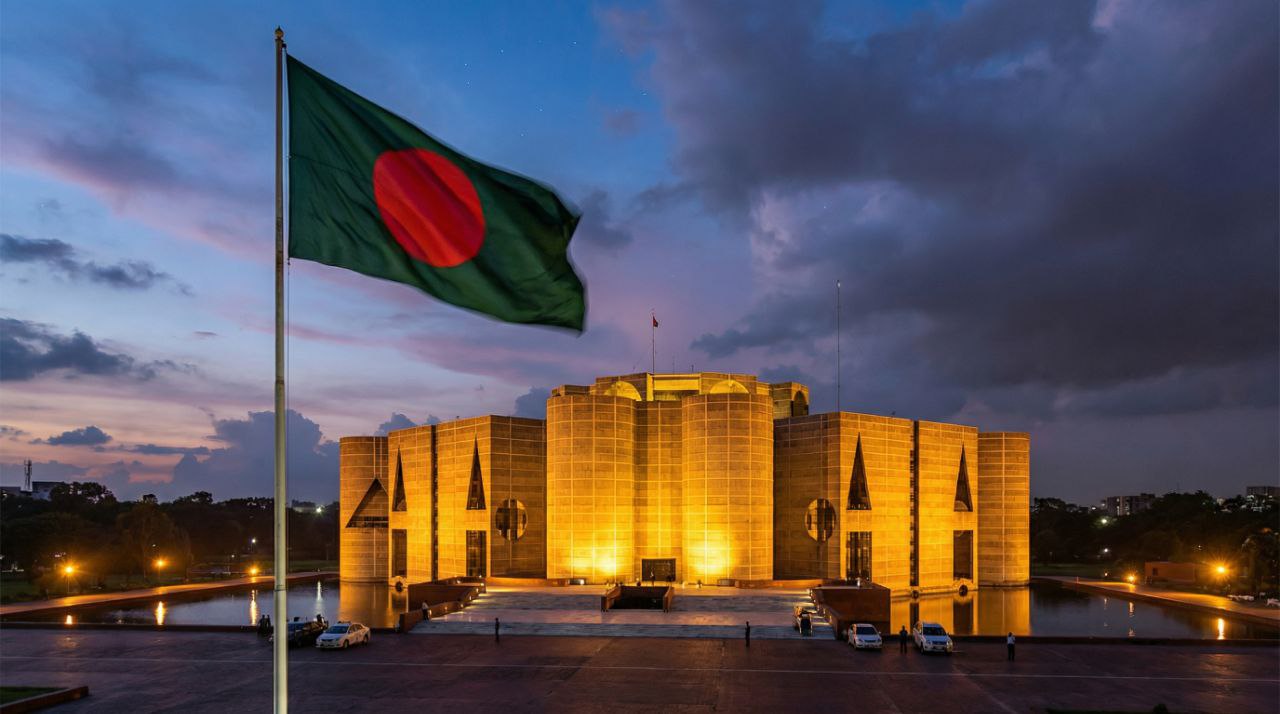
Dhaka: Bangladesh’s 2025 parliamentary election, held without the banned Awami League, delivered a decisive majority for the Bangladesh Nationalist Party and its exiled leader Tarique Rahman. The BNP and its allies crossed the 200-seat mark in the 300-seat Jatiya Sangsad, while the Islamist Jamaat-e-Islami—also historically banned—re-entered parliament with an estimated 60-odd seats. Official results await certification, but the shape of the next government is clear.
The Geopolitical Reality
The vote removes Sheikh Hasina’s party from the legislature for the first time since 2009 and ends a 17-month interim administration led by Nobel laureate Muhammad Yunus. Western governments, which pressed Dhaka to hold elections, have recognised the outcome; neighbours are calibrating responses. China and Pakistan issued prompt congratulations; India’s Ministry of External Affairs issued a neutral statement noting the “conclusion of electoral process”.
Two constraints now frame Dhaka’s foreign policy:
- Domestic legitimacy: With the largest party excluded, the new government will lean on coalition partners and street-level Islamist networks for authority.
- Economic fragility: Reserves cover barely three months of imports; power-sector arrears to Indian firms exceed USD 600 million.
External actors therefore retain leverage, but none holds a veto.
The View from Delhi
New Delhi’s baseline is preventive: keep Bangladeshi territory from re-emerging as a staging area for anti-India militancy. The BNP’s past record—hosting insurgent camps in the early 2000s and slow action on Indian extradition requests—keeps intelligence agencies watchful. Yet Delhi also notes Tarique Rahman’s public disavowal of “religious extremism in any form”, a formulation that distinguishes him from Jamaat’s clerical leadership.
Commercially, India can absorb a short-term chill. Bilateral trade (USD 12 billion in FY 24) is modest against India’s total merchandise exports, but power arrears and water-sharing protocols carry political salience. Delhi is expected to bargain hard on Teesta flows while quietly signalling readiness to reschedule debt if Dhaka reins in border provocations.
Strategic Implications
Three scenarios merit tracking:
- Coalition friction: If Jamaat extracts ministries, border rhetoric could spike; BSF faces greater pressure for restraint without political cover from Dhaka.
- Economic nationalism: Dhaka may replicate Washington’s zero-tariff apparel access for itself and deny similar terms to India, sharpening textile competition in the U.S. market.
- Chinese ingress: Beijing has already offered standby swap lines; any arms sales to Dhaka would force India to recalibrate its eastern naval posture.
None of these outcomes is predetermined. The key variable is whether the BNP chooses institutional survival over ideological alignment—an equation Delhi will test through calibrated engagement and coercive diplomacy at the border.
“Bangladesh will pursue its interests first, whether the partner is India, China or Pakistan.”
— Tarique Rahman, 2024 campaign interview