
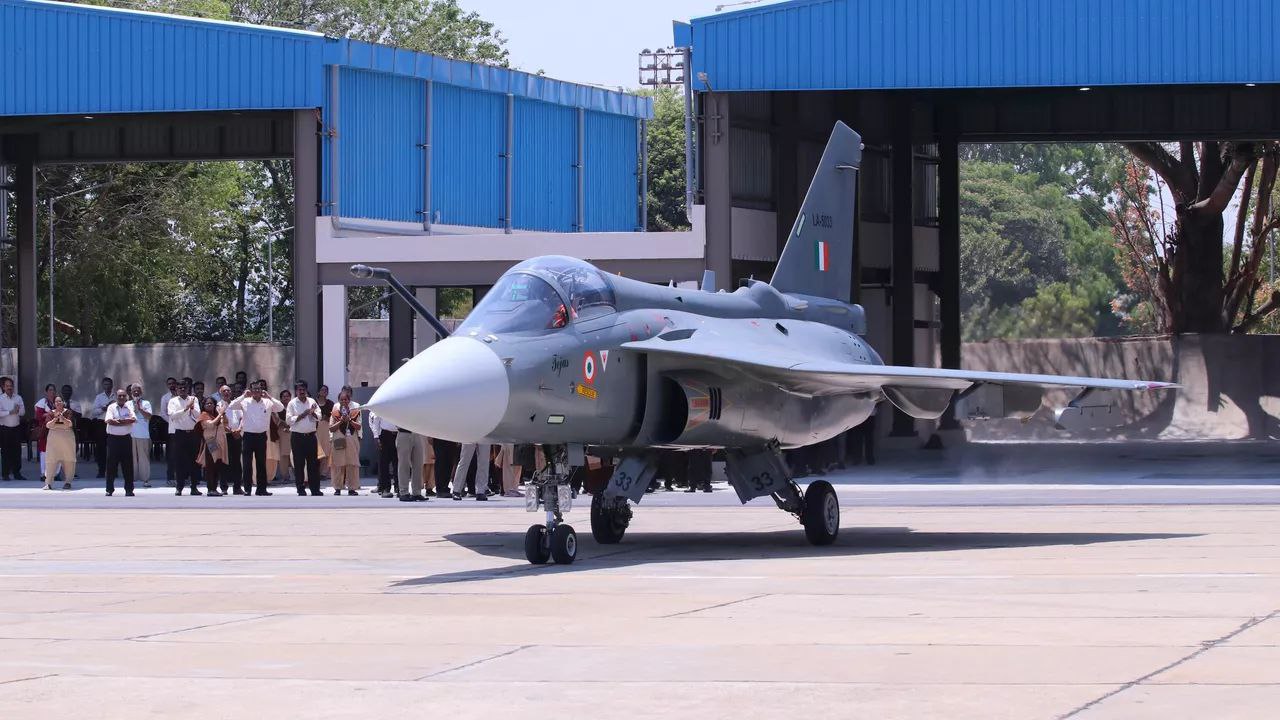
NEW DELHI, India: The Indian Air Force (IAF) is set to conduct a crucial review of the Light Combat Aircraft (LCA) Mark 1A project in May, a decision that could further delay deliveries of the 180 aircraft ordered under a multi-billion dollar deal. The comprehensive assessment, confirmed by defence sources, will determine the service's acceptance criteria and revised delivery timeline for the indigenous fighter jets.
Strategic Implications
The potential delays in the LCA Mark 1A programme pose significant challenges to India's air defence capabilities at a time when regional security dynamics remain fluid. With the IAF's squadron strength already below the authorized 42 squadrons, any postponement in the induction of these fourth-generation-plus aircraft could impact the force's combat readiness along both the western and northern borders.
Background
The LCA Mark 1A represents an advanced version of the Tejas fighter, featuring improved avionics, radar systems, and weapons integration capabilities. The contract for 83 aircraft worth approximately ₹48,000 crore was signed in February 2021, with the first deliveries originally scheduled for 2023. The programme has faced multiple technical and production challenges, with Hindustan Aeronautics Limited (HAL) working to meet the IAF's operational requirements.
Expert Analysis
Defence analysts suggest that the May review reflects the IAF's commitment to maintaining strict quality standards despite pressure to augment fighter squadron numbers. The comprehensive evaluation will likely assess production quality, system integration, and compliance with the Final Operational Clearance (FOC) requirements. Industry observers note that while delays are concerning, ensuring aircraft reliability and combat effectiveness remains paramount for national security.
Looking Ahead
The outcome of the May review will shape not only the LCA Mark 1A delivery schedule but also influence India's broader indigenous fighter development programmes. Success in resolving outstanding issues could pave the way for the more advanced LCA Mark 2 and the ambitious Advanced Medium Combat Aircraft (AMCA) fifth-generation fighter programme, critical for maintaining technological parity with regional adversaries.